Nepal’s trekking permits have moved digital—meaning you no longer need physical, printed passport-size photos; a clear, recent regular digital photo works for every permit, with TAAN also transitioning toward full digital TIMS cards. For protected areas like Annapurna and Langtang, trekkers need a National Park or Conservation Area Permit (NPR 3,000 / ~$20 USD) plus a TIMS Card (NPR 2,000 / ~$13 USD), which backs TAAN emergency helicopter search-and-rescue support for local guides, porters, and trekking teams. The Everest region uses a local Khumbu Pasang Lhamu Rural Municipality fee (NPR 3,000) alongside the Sagarmatha National Park permit (NPR 3,000). For restricted regions like Manaslu, Upper Mustang, and Dolpo, your agency can issue Restricted Area Permits (RAP) in advance before you arrive in Nepal using your online Visa Submission Number and Personal Travel Insurance upload—just ensure you book only with a fully licensed, tax-cleared, Nepal Rastra Bank (NRB) USD-licensed trekking agency, as immigration authorities strictly fine both unauthorized operators and trekkers caught without valid permits.
Nepal Trekking Permits Explained: Digital TIMS, National Park Fees & Restricted Area Rules
When planning a Himalayan adventure, mapping out your gear and fitness is only half the battle. One of the most common questions international travelers ask before flying to Kathmandu is, "What permits do I actually need, do I still need printed passport photos, and how can I be sure my Restricted Area Permits are legitimately issued?"
Navigating Nepal’s permit system can feel confusing—especially because outdated blogs still repeat old paper-era rules while unlicensed middlemen cut corners on restricted routes. Whether you are heading up the Khumbu Valley or exploring restricted borderlands like Manaslu, Upper Mustang, and Dolpo, here is the complete, ground-level breakdown of how Nepal's digital trekking permits actually work today.
1. The Core Permits for Open Regions (Everest, Annapurna & Langtang)
For popular, non-restricted trekking regions, your paperwork splits into regional conservation/national park fees and local or digital tracking registration.
Everest Region (EBC, Gokyo, Three Passes)
Unlike other regions, the Everest area manages its local trekking registration independently through the local rural municipality rather than the standard TIMS system:
-
Sagarmatha National Park Entry Permit: NPR 3,000 (~$20 USD)—Required for entering the protected national park boundary at Monjo.
-
Khumbu Pasang Lhamu Rural Municipality Fee: NPR 3,000 (~$22 USD)—Paid locally in Lukla or Monjo to fund trail maintenance and local community infrastructure, replacing the standard TIMS card in the Khumbu.
-
Total Everest Permit Cost: NPR 6,000 (~$42 USD)
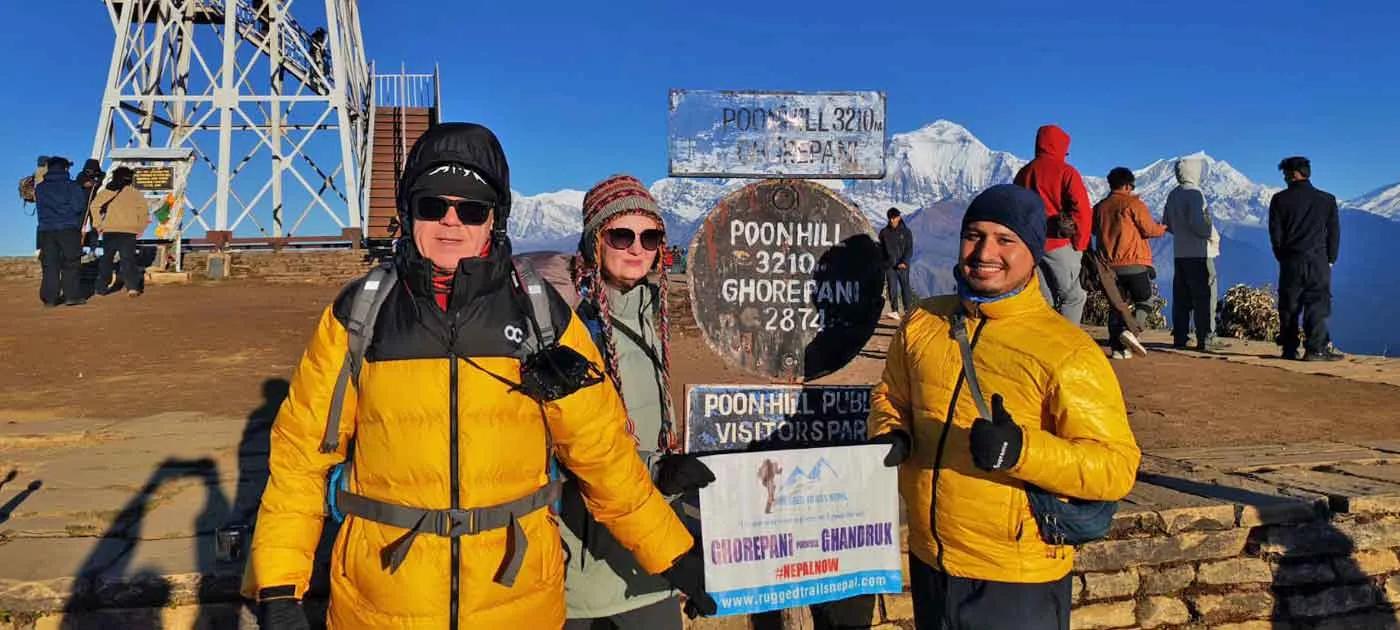
Annapurna Region (Annapurna Circuit, ABC, Poon Hill, Mardi Himal)
-
Annapurna Conservation Area Permit (ACAP): NPR 3,000 (~$20 USD)
-
TIMS Card (Trekkers' Information Management System): NPR 2,000 (~$13 USD) — Issued digitally through a registered trekking agency to log your team into Nepal's safety and rescue database.
-
Total Annapurna Permit Cost: NPR 5,000 (~$33 USD)
Langtang Region (Langtang Valley, Gosaikunda)
-
Langtang National Park Entry Permit: NPR 3,000 (~$20 USD)
-
TIMS Card: NPR 2,000 (~$13 USD)
-
Total Langtang Permit Cost: NPR 5,000 (~$33 USD)
2. The Truth About the TIMS Card: Why It Matters Even Without Trail Checkposts
If you browse trekking forums, you will often see travelers ask, "Nobody checked my TIMS card in Annapurna or Langtang—and isn't it unnecessary once I buy a Restricted Area Permit?"
Here is the honest, on-the-ground reality from Kathmandu:
-
No Active Trail Checkposts & Digital Transition: Physical TIMS checkposts along routes like Annapurna and Langtang are rarely active today, and in the Everest region, the local Khumbu municipality permit is used instead. Furthermore, the Trekking Agencies' Association of Nepal (TAAN) is transitioning toward a full digital TIMS card format to match Nepal's digital park passes.
-
Not Strictly Required After Restricted Area Permits (RAP): Once you purchase a Department of Immigration Restricted Area Permit (for Manaslu, Upper Mustang, or Dolpo), a separate TIMS card is not legally required at immigration checkpoints.
-
Why Responsible Operators Still Buy It for Staff Safety: Even when a TIMS card isn't required at a checkpoint—including on Restricted Area treks—reputable local agencies still purchase a TIMS card for the safety of their guides, porters, and entire team.
How Your TIMS Card Protects Your Guide, Porter & Entire Team:
-
Closing the Insurance Gap for Local Crew: When a trekking company buys standard domestic trekking staff insurance in Nepal for guides and porters, those local policies cover basic medical treatment and accidental death—but they do not cover emergency helicopter search and rescue in remote mountain terrain.
-
TAAN Emergency Rescue Backing: When your trek is registered through a licensed company with an official TIMS Card (NPR 2,000 for foreign trekkers / NPR 1,000 for SAARC), your entire crew is logged into TAAN's central safety system. If a guide, porter, or team member suffers a severe medical emergency, avalanche, or accident on the trail, TAAN steps in with emergency search, rescue, and welfare support—provided the team holds valid TIMS registration.
By trekking with an operator that registers TIMS cards even when checkpoints aren't demanding them, you are directly ensuring that the Nepali guides and porters supporting your journey have a real mountain rescue safety net.
3. Restricted Area Permits (RAP): Manaslu, Upper Mustang & Dolpo
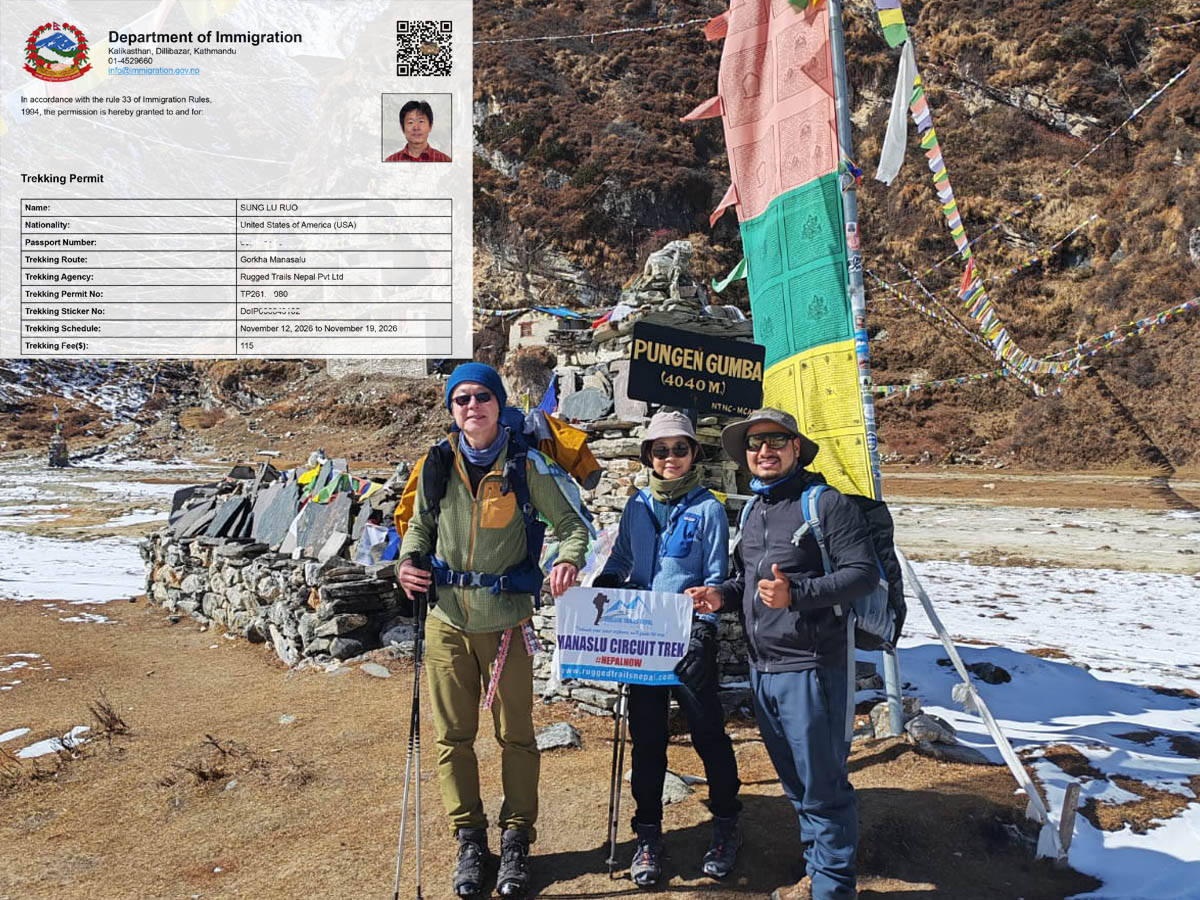
If you are stepping off the main tourist tracks into culturally sensitive or border regions like Manaslu, Upper Mustang, Nar Phu, or Dolpo, you must obtain a Restricted Area Permit (RAP) issued by Nepal's Department of Immigration.
-
Mandatory Agency & Guide Rule: Foreign nationals cannot obtain Restricted Area Permits on their own; they must be processed through a government-registered trekking agency (such as Rugged Trails Nepal) and accompanied by a licensed trekking guide. (While updated immigration provisions allow solo foreign clients to apply via an agency rather than requiring a two-trekker minimum, a licensed guide and registered company remain mandatory).
-
How to Get RAP Permits Issued in Advance (Before Arriving in Nepal): You do not have to wait until you land in Kathmandu to start your Restricted Area Permit. Your agency can apply for and issue your RAP in advance, provided you follow two essential steps:
-
Submit Your Online Nepal Visa Application First: Fill out your Nepal Tourist Visa / ETA application on the Department of Immigration portal before your flight and send the generated Visa Submission Number to your trekking agency. Using that submission number alongside your passport copy, your agency can process and issue your RAP ahead of time.
-
Upload Personal Travel Insurance: For all Restricted Area Permits, the immigration portal requires your agency to upload a copy of your valid Personal Travel Insurance policy into the system before your RAP can be approved.
Seasonal & Daily Pricing Structure (Paid in USD):
-
Manaslu Circuit: $100 USD per person for the first 7 days (Sept–Nov) plus $15/day thereafter, or $75 USD for the first 7 days (Dec–Aug) plus $10/day thereafter—in addition to MCAP and ACAP conservation fees.
-
Upper Mustang: $50 USD per person per day for the days spent inside the restricted zone, alongside the standard ACAP permit.
-
Nar Phu Valley: $100 USD per person/week (Sept–Nov) or $75 USD per person/week (Dec–Aug), plus ACAP.
-
Upper Dolpo: $500 USD per person for the first 10 days (plus $50/day thereafter), alongside Shey Phoksundo National Park entry fees.
⚠️ Critical Warning on Restricted Area Permits — Protect Yourself from Unlicensed Operators:
In recent years, a small number of rogue middlemen and unverified operators have tried to cut corners by collecting permit money from trekkers and sneaking groups into restricted zones without issuing genuine Restricted Area Permits. Never take this risk. Entering a restricted region without an official permit is a serious violation of Nepali immigration law—and the Department of Immigration actively penalizes both the trekking company and the individual trekkers with heavy fines, forced evacuation, and potential visa blacklisting, as seen in enforcement crackdowns in regions like Upper Dolpo.
Be Safe & Verify Before You Book: Having a polished website name is not enough. Under Department of Immigration regulations, only fully compliant trekking agencies holding current Tax Clearance Certificates, active Department of Tourism licensing, and a valid Nepal Rastra Bank (NRB) Foreign Currency (USD) License are authorized to apply for Restricted Area Permits. Always ask to see your official permit printout (complete with government barcode/verification details) before stepping onto the trail.
(As noted above, while a TIMS card is not legally required once your RAP is issued, we include TIMS registration for our staff's safety and rescue protection).
Summary Table: Permits Required for Popular Nepal Treks
|
Trekking Route
|
Mandatory Permits
|
Additional Recommended / Safety Registration
|
Approximate Cost (Per Foreigner)
|
|
Everest Base Camp / Gokyo
|
Sagarmatha National Park + Khumbu Local Fee
|
Handled via the local Khumbu system
|
NPR 6,000 ($42 USD)
|
|
Annapurna Circuit / ABC
|
ACAP + TIMS Card
|
TIMS backs TAAN staff rescue safety.
|
NPR 5,000 ($33 USD)
|
|
Mardi Himal / Poon Hill
|
ACAP + TIMS Card
|
TIMS backs TAAN staff rescue safety.
|
NPR 5,000 ($33 USD)
|
|
Langtang Valley Trek
|
Langtang National Park
|
TIMS Card recommended for staff rescue safety
|
NPR 5,000 ($33 USD)
|
|
Manaslu Circuit Trek
|
Manaslu RAP + MCAP + ACAP
|
TIMS Card is optional after RAP and recommended for crew safety.
|
Variable USD RAP + NPR 6,000–8,000 local fees
|
|
Upper Mustang Trek
|
Upper Mustang RAP ($50/day) + ACAP
|
TIMS Card is optional after RAP and recommended for crew safety.
|
Variable USD daily rate + NPR 3,000 ACAP
|
(Note: SAARC national citizens receive discounted permit rates across national parks, conservation areas, and TIMS registration).
Essential Digital Paperwork Rules to Keep in Mind
-
No Printed Passport Photos Needed: Because Nepal's National Park passes, Restricted Area Permits, and upcoming TAAN TIMS cards operate digitally, you do not need to carry printed passport-size photographs. A clear, recent regular digital photo (even a clean, well-lit headshot taken on your phone against a plain background) works for all trekking permits. Always ensure your passport has at least 6 months of validity remaining from your Nepal entry date.
-
Advance RAP Processing via Your Visa Submission Number: If you are trekking Manaslu, Upper Mustang, or Dolpo, complete your online Nepal visa application prior to departure and send your Visa Submission Number to our team. This allows us to issue your restricted area permits in advance so there is zero delay once you land in Kathmandu.
-
Mandatory Travel Insurance Upload: Before hitting high passes or restricted trails like our 14-Day Standard Everest Base Camp Trek or Manaslu Circuit Trek, secure a policy that explicitly covers emergency helicopter evacuation up to 6,000 meters—review our Best Travel Insurance for Nepal Trekking Guide so you can send us your certificate for mandatory system upload on Restricted Area Permits.
Let Rugged Trails Nepal Handle Every Permit & Safety Detail
You shouldn't have to spend your vacation dealing with government portals or worrying about whether your permits are genuine or your crew is properly protected on the mountain. As a fully registered, tax-cleared, Department of Tourism and Nepal Rastra Bank (NRB) USD-licensed local operator, Rugged Trails Nepal handles 100% of your digital National Park passes, advance Restricted Area Permits, and TIMS safety registrations transparently—providing your official permit copies ahead of departure so you can trek with complete peace of mind.
Explore our Featured Nepal Trekking Packages or Contact Our Local Kathmandu Team to plan a seamless, fully compliant Himalayan trek!