How Much Spending Money Do You Really Need for the Everest Base Camp Trek? (On-Trail Cost Guide)
When budgeting for the Everest Base Camp trek, most travelers focus entirely on the upfront package price or airfare. Then, two days before flying to Kathmandu, a very practical question hits: "Once my flights, permits, lodges, guide, porter, and three daily meals are prepaid—how much physical cash do I actually need in my wallet?"
In the Khumbu Valley, cash is king, credit cards are almost never accepted above Lukla, and prices climb steeply with every 500 meters of elevation gain. Based on real expense logs from hundreds of trekkers who have walked our routes, here is the honest, ground-level breakdown of on-trail personal expenses, tipping standards, and emergency cash buffers so you never run short at 5,000 meters.
Why Prices Double & Triple as You Climb
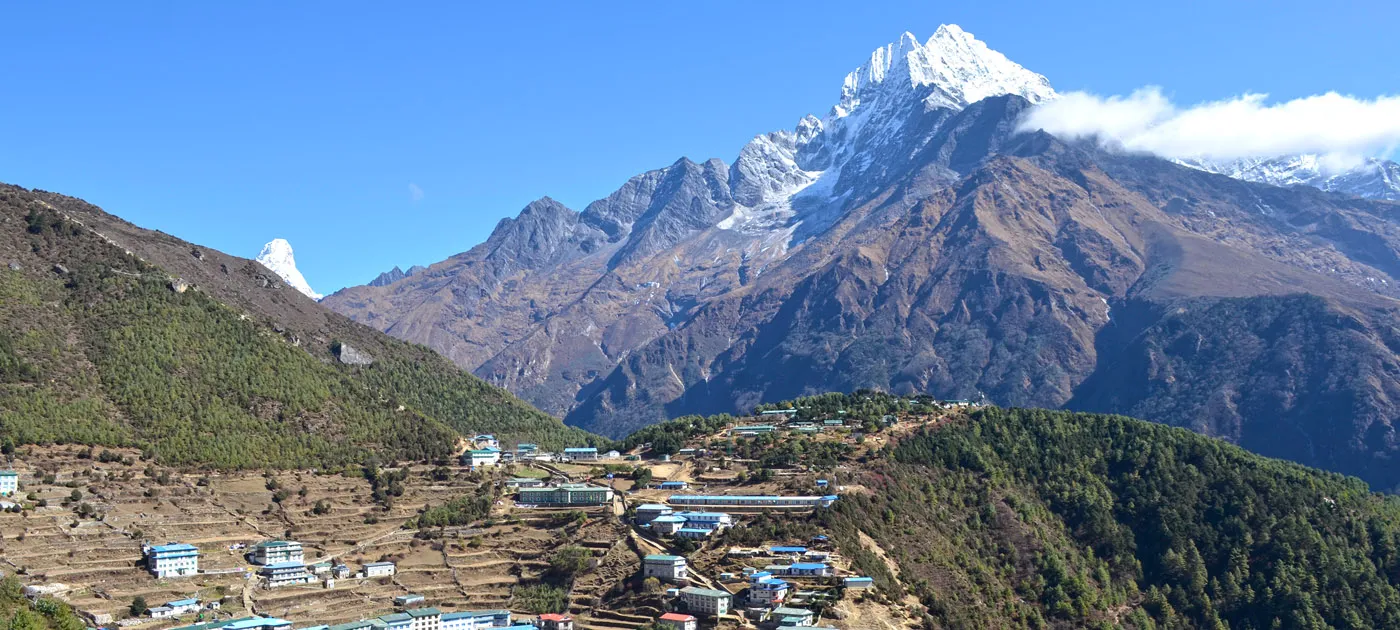
If you are booking an all-inclusive journey like our 14-Day Standard Everest Base Camp Trek or our 16-Day Comfort Everest Base Camp Trek, your core accommodation, three meals per day (breakfast, lunch, and dinner), seasonal fruits, permits, and round-trip Lukla flights are already covered. However, every extra amenity you buy along the trail—from boiled drinking water and hot showers to Wi-Fi cards and battery charging—is paid out of pocket directly to the teahouse. Above Namche Bazaar (3,440m), there are no roads; every gas cylinder, chocolate bar, and solar battery is hauled up the mountain by porters, yaks, or helicopters.
Altitude-by-Altitude On-Trail Price Chart (NPR & USD)
|
On-Trail Extra Item
|
Lukla / Phakding (2,610m–2,860m)
|
Namche Bazaar (3,440m)
|
Tengboche / Dingboche (3,860m–4,410m)
|
Lobuche / Gorakshep (4,910m–5,164m)
|
|
1L Boiled / Safe Water
|
100–150 NPR ($1)
|
150–200 NPR ($1.50)
|
250–350 NPR ($2–$2.50)
|
350–450 NPR ($2.50–$3.50)
|
|
1L Bottled Mineral Water
|
100–150 NPR (~$1)
|
150–250 NPR (~$1.50)
|
300–400 NPR (~$2.50–$3)
|
400–500 NPR ($3–$4)
|
|
Pot of Ginger Lemon Honey
|
350–450 NPR ($3)
|
450–600 NPR ($3.50–$4.50)
|
600–750 NPR ($4.50–$5.50)
|
750–900 NPR ($5.50–$7)
|
|
Hot Shower (Gas / Bucket)
|
Free – 300 NPR ($2)
|
400–500 NPR ($3–$4)
|
600–800 NPR ($4.50–$6)
|
800–1,000+ NPR (Often unavailable)
|
|
Device Charging (per item/hr)
|
Free – 200 NPR
|
200–300 NPR ($2)
|
300–500 NPR ($2.50–$4)
|
500–700 NPR (~$4–$5)
|
|
Wi-Fi Card / Access
|
Free – 300 NPR
|
500–600 NPR ($4)
|
600–800 NPR ($5–$6)
|
800–1,000 NPR ($6–$7.50)
|
|
Snickers / Trail Snack Bar
|
200–250 NPR ($1.50)
|
250–350 NPR ($2–$2.50)
|
400–500 NPR ($3–$3.50)
|
500–650 NPR ($4–$5)
|
(Note: If you upgrade to luxury lodges along the lower trail, heated rooms, Wi-Fi, and en-suite hot showers are often bundled into your lodge tier—read our breakdown on whether a Luxury Everest Base Camp Trek is worth it to compare amenities).
The 3-Bucket Cash Plan: How Much Money Should You Bring?
Rather than guessing a random daily figure, divide your spending money into three clear buckets before leaving Kathmandu.
Bucket 1: Daily On-Trail Pocket Money ($200 – $450 USD Total)
Even when your three daily meals are included in your package, you will dip into your wallet daily for hydration, connectivity, and small comforts:
-
Hydration & Extra Hot Drinks: Staying hydrated with 3 to 4 liters of fluid daily is your #1 defense against altitude sickness and the dry Khumbu cough. Buying 3 liters of boiled or bottled water every day costs $120–$160 USD across two weeks.
-
Namche Bazaar Bakery Splurges: On your acclimatization day in Namche (and again on the descent), almost every hiker treats themselves to fresh espresso, apple pie, cinnamon rolls, or a celebratory drink at a local pub—budget $25–$45 USD across both visits.
-
Showers, Charging & Wi-Fi: Expect to spend roughly $8–$15 USD per day above 3,800 meters if you purchase daily Everest Link Wi-Fi cards, charge electronics, and take occasional hot showers.
Bucket 2: One-Time Trip Extras & Tipping ($250 – $420 USD Total)
These are the lump-sum expenses trekkers frequently overlook until the final day of the trip:
Guide & Porter Tipping (End of Trek): While never mandatory, tipping is a deeply appreciated tradition in Himalayan trekking. The standard benchmark for a 12–14 day trek is
-
Lead Sherpa Guide: $12–$20 USD per day (roughly $150–$250 total per group or solo trekker).
-
Porter: $8–$15 USD per day per porter (typically split between two trekkers sharing one porter).
-
Nepal Tourist Visa & Kathmandu Meals: Your on-arrival visa at Tribhuvan International Airport costs $30 USD (15 days) or $50 USD (30 days) in cash. Budget another $15–$25 USD/day for lunches, dinners, and heritage sightseeing entry fees during your free time in Kathmandu.
-
Last-Minute Gear in Thamel: Need to rent a -20°C down sleeping bag ($2–$3/day) or pick up extra merino socks and Diamox? Check out our Buying & Renting Trekking Gear in Nepal Guide so you don't overpay in tourist shops.
Bucket 3: The Untouchable Weather & Medical Oxygen Reserve ($300 – $500 USD)
Mountain weather in the Himalayas is unpredictable, particularly around Tenzing-Hillary Airport. As we cover in our Lukla Flight Logistics & Manthali/Ramechhap Guide, multi-day fog can ground fixed-wing planes. Keep $250–$500 USD tucked away in a waterproof pouch (or accessible on a major credit card) to cover:
Emergency Oxygen & Mountain Clinic Visits ($100 – $250+ USD): Even if you carry comprehensive high-altitude insurance, outpatient medical care on the trail is strictly cash-upfront. If your blood oxygen saturation (SpO2) drops sharply in Dingboche, Lobuche, or Gorakshep, teahouses charge roughly $30–$60 USD per hour (or $100–$200+ USD overnight) for supplemental medical oxygen cylinders, while consultations and oxygen therapy at the Himalayan Rescue Association (HRA) clinics in Namche or Pheriche typically cost $100–$250+ USD. Always ask the clinic or lodge for a stamped medical report and itemized receipt so you can claim full reimbursement from your insurer once you return home.
At Rugged Trails Nepal, our guides carry pulse oximeters and comprehensive first-aid kits and can arrange portable emergency oxygen for your group upon request).
-
Extra Nights in Lukla: ~$40–$60 USD per day for lodge rooms and meals if flights are delayed.
-
Shared Helicopter Shuttle: ~$550–$750 USD per seat if you need to bypass multi-day flight backlogs to catch an international flight home.
-
Excess Lukla Baggage: Airlines strictly enforce a 10kg duffel + 5kg daypack limit; overweight bags cost roughly $2–$3 USD per extra kilogram.
Total Out-of-Pocket Budget Summary (12–14 Day Guided EBC Trek)
Use this table to decide how much total cash to carry in Kathmandu (excluding your prepaid tour package and international airfare):
|
EBC Trekker Spending Style
|
Daily Trail Cash (12–14 Days)
|
Guide & Porter Tips
|
Visa & Kathmandu Extras
|
Total Cash to Budget
|
|
Prepared & Frugal (Uses SteriPEN/Aquatabs + 20,000mAh power bank)
|
$190 – $250
|
$150 – $180
|
$80 – $120
|
$410 – $550 USD
|
|
Standard Comfort (buys boiled water, occasional showers/Wi-Fi, Namche bakery)
|
$320 – $450
|
$180 – $220
|
$120 – $180
|
$600 – $850 USD
|
|
All-Out Comfort (Daily Wi-Fi, charging, bottled water, extra drinks & snacks)
|
$540 – $700
|
$220 – $280
|
$150 – $250
|
$870 – $1,230 USD
|
(Note: Keep your $250–$500 USD. Lukla emergency buffer separate from the totals above—if the weather cooperates, you bring that money right back home!
5 Smart Money-Saving Hacks from Experienced Everest Hikers
-
Save $120+ on Drinking Water: Instead of buying 3–4 plastic bottles a day, pack a SteriPEN, Grayl filter bottle, or Aquatab on your Nepal Trekking Equipment Gear List. You can safely purify cold tap water at every teahouse for free while keeping plastic waste out of Sagarmatha National Park.
-
Use the "Sleeping Bag Battery Trick": Sub-zero nights above Dingboche drain phone and camera batteries rapidly. Carry a 20,000 mAh power bank and sleep with it inside the bottom of your sleeping bag—you will cut paid lodge charging fees by 70%.
-
Buy an Ncell SIM Card in Kathmandu: Everest Link Wi-Fi cards cost 600–1,000 NPR per card and lock to a single device. Picking up an Ncell SIM card at Kathmandu airport (~1,200–1,500 NPR with a heavy data bundle) gives you reliable 4G data all the way up to Tengboche and an intermittent signal near Gorakshep.
-
Demand 100 and 500 NPR Bills in Kathmandu: Never rely on ATMs in Lukla or Namche Bazaar—they frequently run out of cash, lose satellite signal, or cap withdrawals at 10,000–35,000 NPR with high bank fees. Withdraw your full trail budget in Thamel and ask the teller or money changer for 100 and 500 NPR notes, as small teahouses often cannot break 1,000 NPR bills for a cup of tea.
-
Never Skimp on High-Altitude Travel Insurance: Paying out of pocket for an emergency helicopter evacuation from Gorakshep costs $4,000–$6,000+ USD. Always secure proper 6,000 m coverage before departing—see our Best Travel Insurance for Nepal Trekking Guide for verified providers.
Frequently Asked Questions About Cash on the EBC Trek
Are there working ATMs in Lukla and Namche Bazaar?
Yes, there are physical ATMs in both Lukla and Namche Bazaar, but you should never rely on them. Power outages, cash shortages during peak spring and autumn seasons, and strict per-transaction limits (often 10,000 to 20,000 NPR) are common. Always withdraw your Nepalese Rupees in Kathmandu before your flight.
Can I pay with USD or euros on the Everest Base Camp trail?
Nepalese Rupees (NPR) are the standard currency for all teahouse extras, water, snacks, and Wi-Fi. Some larger lodges and gear shops in Lukla and Namche accept USD, but at unfavorable exchange rates. Save your crisp USD bills for your Kathmandu airport visa, end-of-trek guide/porter tips, and your emergency weather reserve.
How much cash should I carry per day if I am trekking independently without a package?
If you are trekking independently without prepaid lodges or meals, add $35–$55 USD per day on top of the pocket money figures above to cover your basic teahouse room ($5–$15/night) and three daily meals ($25–$40/day at higher altitudes).
What happens if I need emergency oxygen or medical treatment on the trail—does my insurance pay directly?
For a full helicopter evacuation ($3,500–$6,000+ USD), your insurance provider typically coordinates billing directly with the rescue operator once your policy is verified. However, for on-trail oxygen cylinders at teahouses ($30–$60/hour) or outpatient visits at the Namche Bazaar and Pheriche clinics ($100–$250+ USD), you must pay in cash (USD or NPR) on the spot. Keep every itemized receipt and request a signed diagnosis note from the doctor or lodge owner so you can submit a clean insurance reimbursement claim after your trip— that reimburse mountain clinic expenses smoothly.
Ready to Plan a Transparent, Worry-Free Everest Journey?
At Rugged Trails Nepal, we believe in zero hidden surprises—both on your invoice and on the trail. Whether you want the classic 14-day adventure or extra comfort, acclimatization days, and weather buffers built right in, our local Kathmandu team handles every permit, flight, and lodge reservation ahead of time.
Explore our 16-Day Comfort Everest Base Camp Trek or Contact Our Local Experts to customize your itinerary and budget!