Does the EBC Trek Fit Your Body? Fitness Levels, Age Realities, and Physical Preparation
Preparing your body for the Himalayas involves far more than hitting a gym treadmill—it requires understanding altitude, pacing, nutrition, and physiological recovery. Read our comprehensive guide on Everest Base Camp Trek Tips for essential preparation checklists, or explore our breakdown of What is the Hardest Day on the Everest Base Camp Trek to see where physical strain peaks on the trail. Discover the nutritional science behind mountain fueling in our guide on Dal Bhat Power. When you are ready to book a journey designed with proper acclimatization, upgraded stays, and stress-free logistics, check out our Comfort Everest Base Camp Trek.
The Core Truth: You Don't Need to Be an Athlete, But You Do Need Endurance
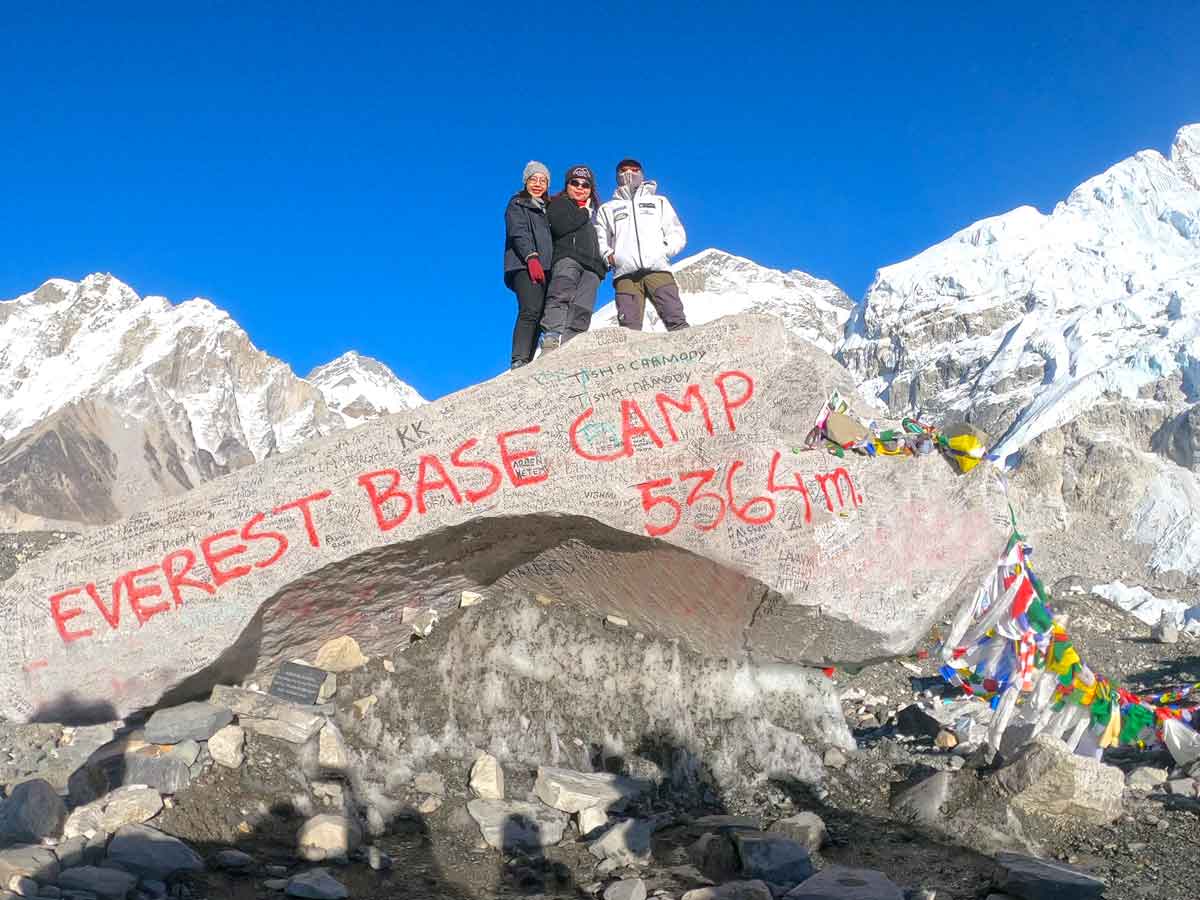
A common misconception among aspiring Himalayan travelers is that you need professional climbing experience or elite athletic conditioning to reach Everest Base Camp (5,364m).
-
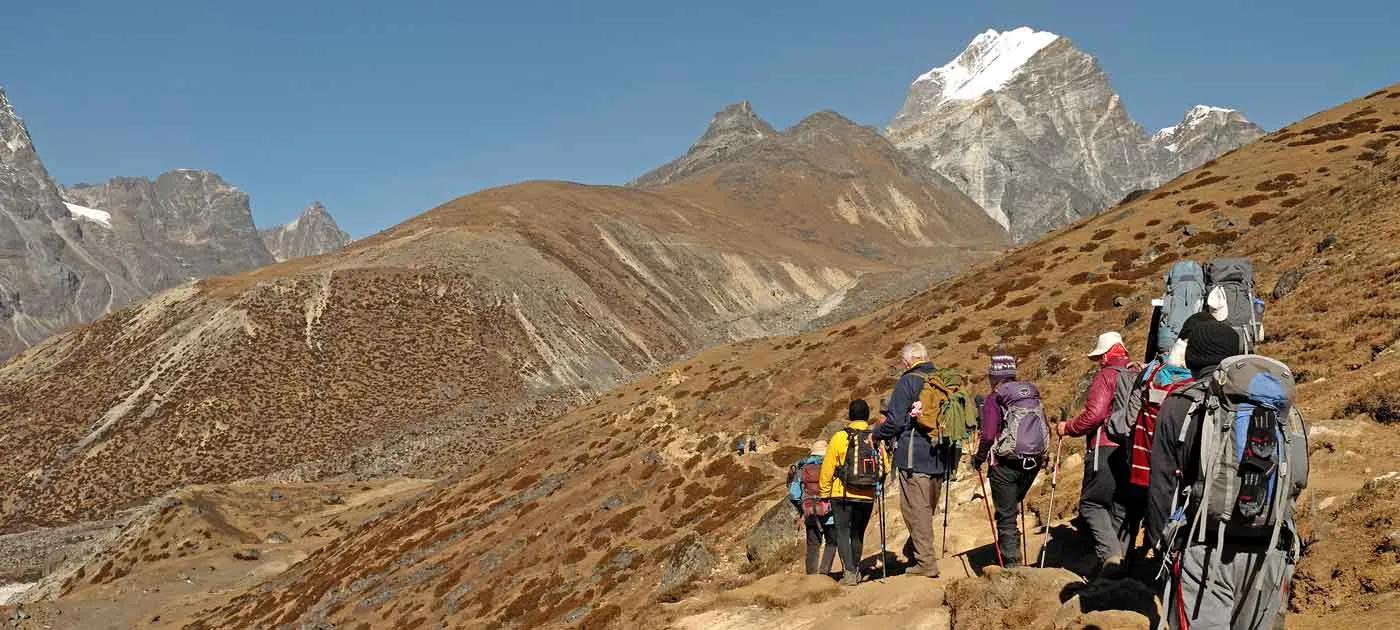
The Real Challenge: EBC is a non-technical foot-trek—you won't be using ropes, ice axes, or crampons. However, you will be walking for 5 to 7 hours every day across consecutive days carrying a daypack, tackling steep switchbacks and uneven glacial moraines.
-
How to Train: Start physical preparation 3 to 4 months prior to your departure. Focus heavily on building low-intensity cardiovascular endurance (running, cycling, or swimming) and functional leg strength. Walking on incline treadmills, using stair-climbers, and taking weekend hikes with a loaded backpack are the most practical ways to condition your joints and lungs.
The Invisible Shock: Thin Air, Elevation, and The Athlete Paradox
The human body does not come naturally pre-programmed to adapt to rapid drops in barometric pressure. At 4,000 meters and above, every breath yields roughly 40% to 50% fewer oxygen molecules than at sea level.
-
The Fitness vs. Altitude Paradox: Highly fit gym-goers, weightlifters, and fast runners are often surprised when they struggle on steep climbs like the famous ascent up to Namche Bazaar. Physical fitness does not make a person immune to Acute Mountain Sickness (AMS). In fact, athletes who push their pace too fast often trigger altitude sickness faster than average hikers.
-
The Sherpa Secret (Bistari, Bistari): Local guides constantly remind trekkers to move "Bistari, Bistari" (slowly, slowly). Maintaining a relaxed, slow walking pace keeps your heart rate low, prevents your lungs from burning out, and gives your red blood cells the necessary time to manufacture extra hemoglobin.
High-Altitude Nutrition: The Physiological Science Behind "Dal Bhat Power"
As you ascend above 3,500 meters, thin air doesn't just affect your lungs—it directly slows down your gastrointestinal tract. Under hypobaric (low oxygen) conditions, your body prioritizes sending oxygenated blood to your brain, heart, and legs, pulling blood flow away from stomach digestion.
-
The Meat & Heavy Food Trap: Eating heavy, fat-dense foods or heavy animal meats at high elevation forces your digestive system to work overtime. Digesting complex fats requires significantly more oxygen per calorie produced, diverting critical oxygen away from your legs and brain. This is why heavy meals at high altitude often lead to sudden fatigue, brain fog, gas, and severe altitude nausea.
Why Dal Bhat Works: There is a real scientific reason why local guides, porters, and experienced trekkers live by the phrase "Dal Bhat Power 24 Hour".
-
Rice (Bhat): Provides fast, clean carbohydrates that break down easily into glucose, demanding far less oxygen during metabolic conversion.
-
Lentils (Dal): Delivers a clean, plant-based protein source to repair tired muscle tissue without overloading the gut.
-
Hydration & Electrolytes: The warm lentil soup and vegetable spices restock vital sodium and fluids lost during daily hiking.
-
Refill Privilege: Teahouses always offer free refills of Dal Bhat, making it the most cost-effective, oxygen-efficient, and energizing meal on the trail.
Protecting Your Respiratory System: Avoiding the "Khumbu Cough"
As you hike higher into the Khumbu region, the air becomes rapidly drier, colder, and thinner. Combined with dust kicked up along trail switchbacks by yak caravans and hiking boots, your airways face continuous irritation.
-
What is the Khumbu Cough? It is a persistent, dry, hacking cough caused by breathing sub-zero, low-humidity air directly into un-shielded lungs over multiple days. Left unmanaged, severe coughing fits can strain your chest muscles and ruin your sleep.
Prevention & Defense:
-
Shield Your Airways: Always wear a breathable neck gaiter, buff, or fleece scarf over your mouth and nose above 3,000 meters to pre-warm and humidify the air before it hits your lungs.
-
Stay Aggressively Hydrated: Drink 3 to 4 liters of fluids daily. Focus on warm ginger-lemon-honey teas, garlic soups, and boiled water. Avoid excessive caffeine or cold drinks at high altitude.
Recovery is Everything: Why Warm Sleep & Teahouse Stays Dictate Success
Trekking to Base Camp is a daily cycle of exertion and physiological repair. Because your body works harder just to perform basic functions in low-oxygen environments, nighttime rest is when acclimatization takes hold and muscle fibers rebuild.
-
The Physical Toll of Cold Nights: At high altitudes, nighttime temperatures inside unheated standard teahouse bedrooms frequently drop below freezing. Shivering through the night drains your body's precious glycogen reserves, leaving you exhausted before the sun even comes up.
-
The Comfort Advantage: Prioritizing teahouses with heated communal dining rooms, cozy bedding setups, and proper wind insulation ensures your core body temperature stays stable. When you sleep warm and rest deeply, your body recovers faster, your immune system stays intact, and the next day's climb becomes significantly easier.
Age Realities: Can Older Trekkers and Beginners Do It?
Age is rarely the limiting factor when it comes to reaching Everest Base Camp—pacing and mindset are.
-
Why Older Trekkers Excel: Multi-generational families and older trekkers (in their 50s, 60s, and beyond) regularly reach Base Camp with high success rates. Older hikers tend to naturally adopt a steady, patient pace, avoiding the urge to race up switchbacks.
-
The Importance of Buffer Days: Beginners and older travelers benefit immensely from itineraries that build in extra acclimatization rest days and comfortable accommodations (such as our Comfort Everest Base Camp Trek). Extra time on the trail eliminates group stress and allows everyone to adjust comfortably to the environment.
Prepare Your Body for the Journey of a Lifetime
Success on the trail to Everest isn't measured by speed—it is achieved through smart physical training, steady pacing, proper nutrition, and giving your body the rest it deserves.
Explore Our 16-Day Comfort Everest Base Camp Trek or Contact Our Local Experts, Today, design a customized Himalayan itinerary tailored to your personal fitness level!