
Trekking to Everest Base Camp has transformed over the last two decades from freezing teahouses and outdoor wooden pit toilets to luxury mountain lodges featuring heated rooms, private attached baths, and Everest-facing resort balconies as high as Lobuche. But true Himalayan luxury goes beyond high-altitude comfort—it lies in walking alongside 8,000-meter Sherpa summit legends and turning a grueling endurance test into a comfortable, lifetime memory.
Is Luxury Everest Base Camp Trek Worth It
The Rise of Luxury Everest Base Camp Treks: How Himalayan Hospitality Transformed
For decades, the classic Everest Base Camp trek has carried a reputation as a gritty, rustic endurance test. High-altitude adventure meant sharing cramped dining halls, bracing against freezing unheated rooms, and surviving on basic daily sustenance. While that raw style of trekking still holds a special place in mountaineering history, the way travelers experience the Khumbu region is undergoing a massive shift.
Today, a growing number of trekkers are asking a simple question: Can you stand face-to-face with the world’s highest peaks without sacrificing a warm bed, a hot shower, and great food?
The era of the luxury Everest Base Camp trek has arrived—combining world-class Himalayan scenery with boutique comfort, upgraded lodge amenities, and elevated local hospitality. But understanding what "luxury" actually means in the high Himalayas requires looking at how far the trail has come over the last two decades.
A 20-Year Evolution: From Wooden Pit Toilets to High-Altitude Comfort
To truly appreciate modern high-altitude comfort, you have to look at the history of the trail. Trekking in the Everest region has completely transformed compared to 20 years ago.
There was a time when using the bathroom meant walking outside the teahouse to a basic wooden pit toilet, where you could literally look straight down the hole and cover waste with dried leaves or pine needles. Over time, those rustic setups evolved into shared squat toilets inside the building, then western-style flush toilets, and eventually private attached bathrooms.
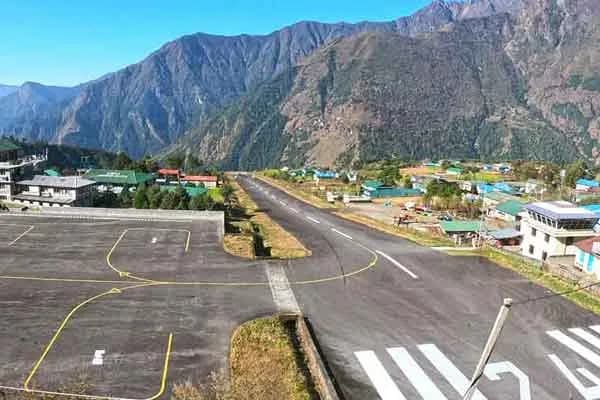
Beyond lodge comforts, mountain aviation and trail accessibility have completely transformed. The once basic dirt runway at Lukla has been upgraded into a clean paved airstrip with expanded helicopter pads, where choppers fly above 8,000-meter peaks almost like mountain taxis. Even ground access has evolved—travelers facing flight delays, seat shortages, or preferring land transit can now simply take the overland road connection toward Lukla.
Today, the entire concept of the Everest trek is shifting toward comfort, luxury, and seamless accessibility for every type of traveler.
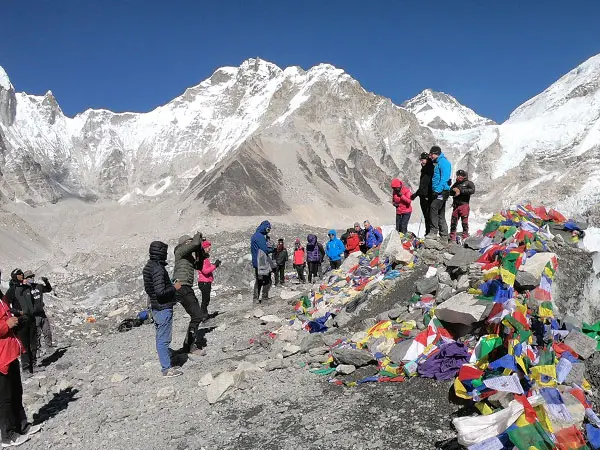
Not long ago, luxuries like electric heated blankets and attached bathrooms were only available up to Dingboche (4,410 m). Now, modern lodge developments in Lobuche (4,940 m) feature warm rooms equipped with electric heating blankets and private attached toilets. Even at Gorakshep (5,164 m)—the final overnight stop before Base Camp—you can now rest under warm heated blankets, even if fully attached private baths aren't feasible yet due to the extreme environmental conditions.
What Does Luxury Truly Mean on the Everest Trail?
Luxury in the high mountains isn't just about marble floors, heated rooms, gourmet food, or helicopter flights. True luxury is about meaningful connections, smart high-altitude recovery, and creating memories that last a lifetime. Money alone doesn't make a trip successful—it is the depth of your journey and how it is documented that makes all the difference.
Today, an elevated Everest experience is defined by:
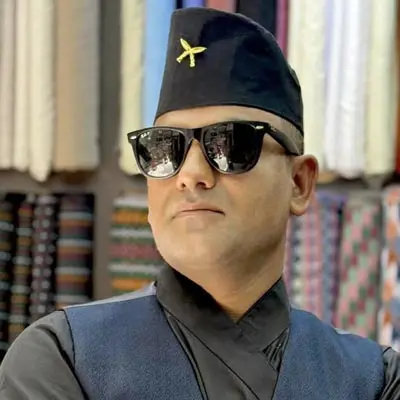
- Walking Beside Real Mountain Legends: Imagine trekking with a veteran Sherpa guide who has summited 8,000-meter giants dozens of times. As you walk together, listening to their personal stories, experiences, and mountain memories, you feel as though you are standing right alongside them on those top peaks. That level of authentic human connection and guidance is a luxury no standard hotel amenity can buy.
- Preserving Your Lifetime Moments: Imagine trekking as a newly married couple, with a dedicated professional or team seamlessly capturing your entire journey—every step, shared smile, and breathtaking backdrop—and compiling it into a complete cinematic memory of your adventure. Spending money in the right places means investing in memories that stay with you forever.
- Upgraded Mountain Lodge Infrastructure: Beyond boutique chains like Yeti Mountain Home, high-end independent properties are emerging across the Khumbu region. In places like Tengboche, modern resort-style lodges now feature Mount Everest-facing balcony rooms and small heated wellness pools.
- Restorative Heating & Private En-Suite Facilities: Staying warm at 3,400+ meters is essential for high-altitude recovery. Heated mattresses and private en-suite bathrooms eliminate the physical strain of freezing nights in shared hallways.
- Elevated High-Altitude Dining: Loss of appetite is a common challenge at high elevations. Upgraded lodge kitchens focus on fresh, varied menus—combining authentic local flavors with fine international cuisine—keeping energy levels high when trekkers need it most.
Is Comfort Trekking Worth It?
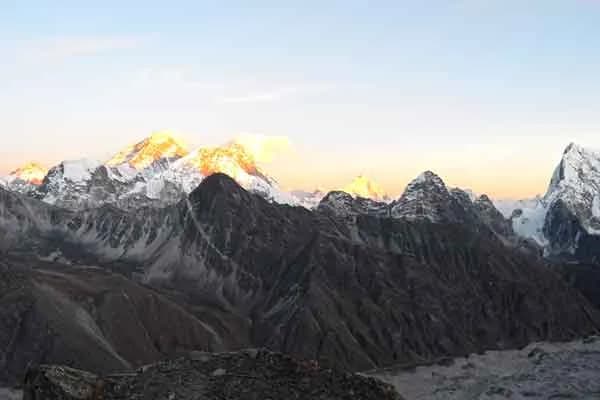
Himalayan travel is no longer strictly about taking a helicopter flyover to bypass the trail. True high-altitude luxury lies in how local infrastructure, human guidance, and mountain hospitality have upgraded on the ground. While luxury accommodations on the side routes may not fully match the classic Base Camp line in every spot—such as along the Gokyo Valley trail, where raw luxury gives way to wilder settings—the scenery is beyond unreal. If you're weighing your routing options and comparing the perspectives between these iconic passes, explore our breakdown on Gokyo Ri vs. Kala Patthar to see how the trail highlights stack up.
When you can enjoy warm rooms, heated blankets, expert legend-led guidance, and private amenities through remote wilderness stops like Namche, Tengboche, Dingboche, and Lobuche, adjusting to just one simpler night near Base Camp becomes effortless. The classic route to Everest is no longer a test of extreme hardship—it has evolved into an accessible, deeply rewarding, and comfortable Himalayan journey.
Ready to Turn Your Everest Dream Into Reality?
An Everest Base Camp journey is a once-in-a-lifetime dream, but high-altitude luxury lodges, private heated rooms, and top-tier Sherpa guides have strictly limited availability during peak seasons. At Rugged Trails Nepal, we don't just book trips—we handcraft your itinerary around your personal pace and comfort. To secure the best luxury accommodations, private high-altitude logistics, and the right expert team at the right time, advance planning is essential.
📩 Plan My Custom Everest Journey with Rugged Trails Nepal Talk directly with our local experts today and lock in your comfortable Himalayan experience.
Need Help? Call Us
Need Help? Call Us+977 9813952417