Getting from Your International Flight to the Trailhead; Most trekkers arrive at Kathmandu’s Tribhuvan International Airport (TIA), though travelers heading straight to the Annapurna or Mustang regions can also use an open-jaw route—flying directly into Pokhara International Airport (PHH) (such as via Dubai) and departing from Kathmandu afterward. Always build 1 to 2 buffer days into your schedule to absorb mountain weather or highway delays. For Everest treks, peak-season flights (spring and autumn) depart from Manthali Airport (Ramechhap) rather than Kathmandu, requiring a 1:00–2:00 AM overland drive (4–5 hours) followed by a 15–20 minute flight to Lukla. For Annapurna treks from Kathmandu, reaching Pokhara takes either a 25–30 minute morning flight ($100–$125 USD) or a 5- to 9-hour drive along the upgraded Prithvi Highway via a 2x1 VIP air-suspension sofa bus ($15–$25 USD) or a private 4WD jeep. Domestic mountain flights strictly enforce 15 kg total baggage (10 kg checked + 5 kg hand-carry) on Lukla routes.
Nepal Trekking Transit Guide Kathmandu Lukla Pokhara

Flying Into Kathmandu (TIA) & Getting to Lukla or Pokhara: The Ultimate Nepal Trekking Transit Guide (2026/2027)
For many international travelers, the most stressful part of a Himalayan expedition isn't the steep stone staircases above Namche Bazaar or the thin air at Thorong La—it is connecting all the moving transit pieces between landing in Nepal and stepping onto the trailhead. Between Tribhuvan International Airport immigration queues, direct international flight options into Pokhara, peak-season Lukla flight diversions to Ramechhap, and realistic road times along the Prithvi Highway, outdated blogs can easily throw your itinerary off by a full day. Here is our boots-on-the-ground transit blueprint for getting from your international gate to the Everest, Annapurna, and Manaslu trailheads smoothly.
Arriving in Nepal: Kathmandu (TIA) vs. Direct to Pokhara (PHH)
Before booking your international airfare (see our overview of major airline connections in our Direct Flights to Nepal Guide), consider which arrival airport matches your trek:
Option A: Standard Arrival via Tribhuvan International Airport (KTM), Kathmandu
Most global trekkers connect through hubs like Doha, Dubai, Abu Dhabi, Istanbul, Delhi, Bangkok, Singapore, Kuala Lumpur, or Guangzhou into Kathmandu (TIA)—the required starting hub for Everest, Langtang, and Manaslu treks.
-
Pre-Register Your Visa Online: Complete the Department of Immigration’s online arrival form before boarding your flight and print or save the QR barcode. Carrying clean USD cash ($30 for 15 days, $50 for 30 days, or $125 for 90 days) lets you skip kiosk queues and pay smoothly, as international cards frequently decline at airport payment terminals.
-
Baggage & Customs: TIA uses a single international baggage hall where bags typically take 20–40 minutes to appear. Personal trekking gear passes through smoothly, while drones and satellite phones require prior government permits.
-
SIM Cards, Cash & Thamel Transfers: Pick up a local Ncell or Nepal Telecom (NTC) tourist SIM in the arrival hall using your passport. Exchange only $50–$100 USD at the airport for immediate expenses—Thamel money changers offer far better rates. If you book with Rugged Trails Nepal, our representative greets you outside arrivals with a private transfer; otherwise, use the official prepaid taxi counter or walk 100 meters to the ring road for a metered cab to Thamel (NPR 1,000–1,200 / $8–$9 USD).
Option B: The Smart "Open-Jaw" Arrival via Pokhara International Airport (PHH)
If your primary goal is the Annapurna region (ABC, Annapurna Circuit, Poon Hill, Mardi Himal) or Upper Mustang, travelers routing through the Gulf can fly directly into Pokhara International Airport (PHH)—such as via Flydubai's direct Dubai–Pokhara service (with Emirates codeshare baggage through-check).
-
Why Open-Jaw Works So Well: You bypass the Kathmandu-to-Pokhara transit leg entirely on arrival, save 1 to 2 vacation days, transfer straight to Lakeside (NPR 1,000–1,500 by taxi), and jump right onto one of the Best Treks from Pokhara while your energy is fresh—then travel overland or fly to Kathmandu at the end of your trip for UNESCO heritage sightseeing before flying home from KTM.
(See how to structure a short Gulf-to-Himalayas getaway in our Dubai to Pokhara Tour Package Guide and our Pokhara Adventure Hub Gateway Overview).
Getting to the Everest Region: Kathmandu vs. Ramechhap (Manthali) to Lukla
Reaching Tenzing-Hillary Airport in Lukla (2,860m) is the gateway to Everest Base Camp, Gokyo Lakes, and the Three Passes—and understanding how seasonal airport diversions work will save you from major confusion.
Why Peak-Season Flights Divert to Manthali Airport (Ramechhap)
During Nepal's two busiest trekking windows—Spring (March–May) and Autumn (late September–November)—civil aviation authorities route almost all scheduled fixed-wing Lukla flights (Tara Air, Sita Air, and Summit Air) through Manthali Airport in Ramechhap, roughly 130–132 km east of Kathmandu.
-
Why This Improves Your Odds of Flying: Kathmandu’s TIA shares a single runway with international wide-body jets. Morning air traffic congestion in Kathmandu often holds small mountain planes past Lukla’s narrow morning weather window (winds and valley clouds typically build after 10:00 AM). Manthali has zero commercial jet traffic and sits right below the Solukhumbu foothills—allowing aircraft to run rapid 15–20 minute shuttle flights starting around 6:00 AM.
-
What the Ramechhap Transfer Looks Like: Your driver picks you up from your Kathmandu hotel between 1:00 AM and 2:00 AM for a 4 to 5-hour drive along the winding BP Highway, arriving at Manthali around 5:30–6:00 AM for the earliest wave of flights.
-
Off-Peak Direct Flights (Dec–Feb & June–Sept): During winter and monsoon months, air traffic is lighter, so Lukla flights generally depart directly from Kathmandu’s domestic terminal (30–35 minutes flight time).
For complete weather-delay contingency strategies and helicopter evacuation comparisons, read our dedicated Lukla Flight Logistics, Manthali & Helicopter Guide.
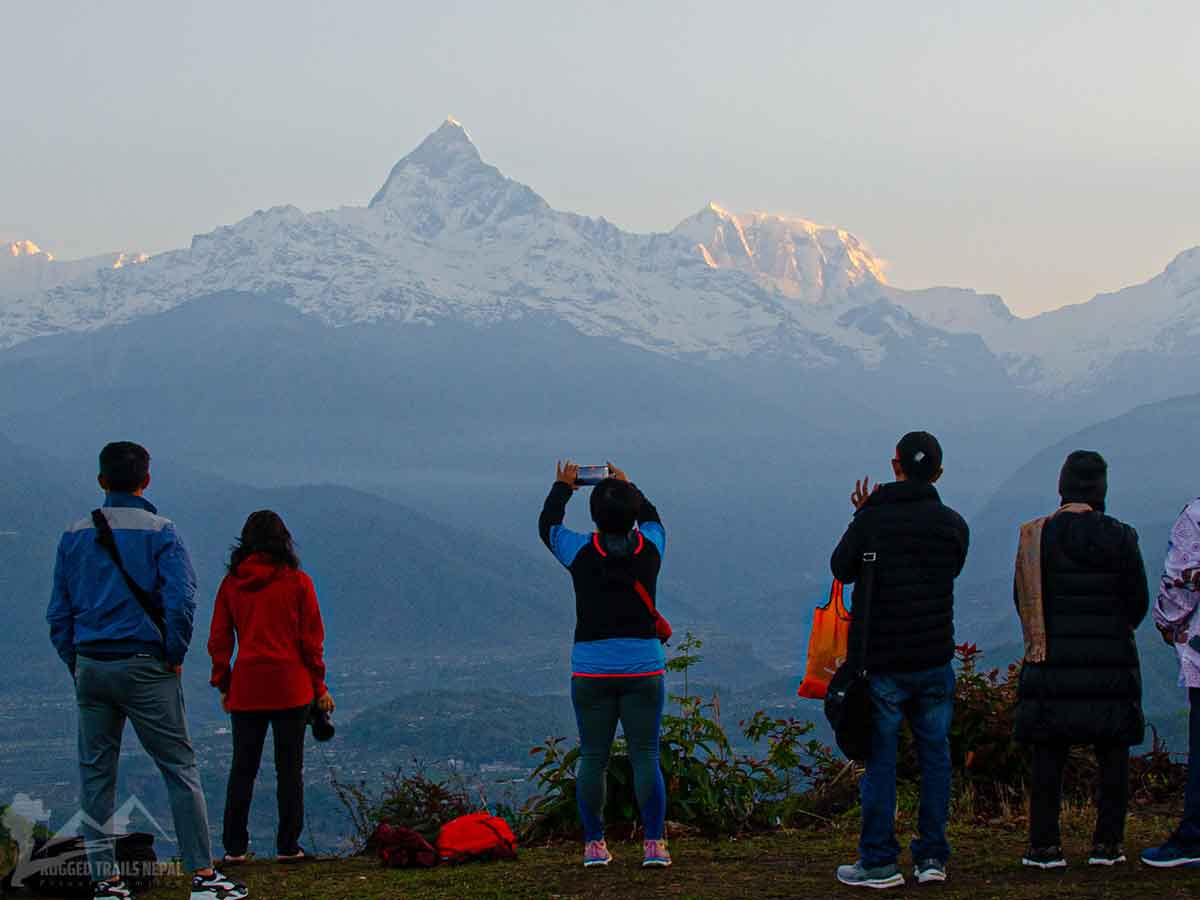
Getting to the Annapurna Region: Kathmandu to Pokhara (Air vs. Road Reality)
Pokhara sits 200 km west of Kathmandu along the Prithvi Highway and serves as the staging hub for Annapurna Base Camp, the Annapurna Circuit, Poon Hill, Muldai Viewpoint, Khopra Danda, and Mardi Himal.
The Honest Highway Reality Check: Forget outdated blogs claiming a "6-hour bus ride". With ongoing four-lane highway upgrades and bridge finishing works along the Prithvi Highway, overland travel between Kathmandu and Pokhara takes 7 to 9 hours. Choosing the right transport makes a massive difference to how fresh your legs feel on Day 1 of your trek.
Comparing Your 3 Ways from Kathmandu to Pokhara
Morning Domestic Flight (Fastest & Easiest on Your Legs):
-
Duration: 25–30 minutes in the air (roughly 2.5 hours door-to-door, including airport check-in and Lakeside taxi).
-
Airlines: Buddha Air, Yeti Airlines, and Shree Airlines fly into Pokhara International Airport (PHH).
-
Cost: $100–$150 USD one-way for foreign nationals (Indian citizens qualify for lower regional fares).
-
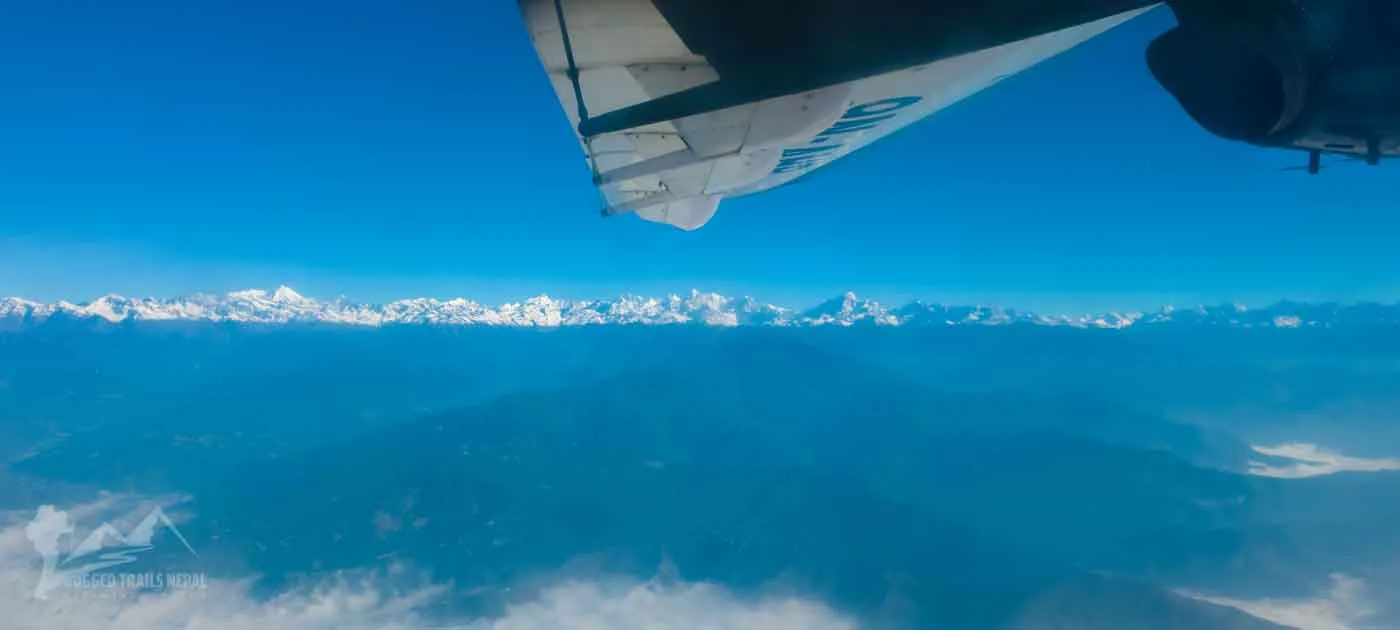
Local Secret: Always book flights before 10:00 AM to avoid afternoon valley wind delays—and request a right-side window seat flying west for panoramic views of Manaslu and the Annapurna massif.
2x1 VIP Air-Suspension Sofa Tourist Bus (Best Value & Comfort on the Road):
-
Duration: 7 to 9 hours with scheduled hygiene and meal stops.
-
Cost: NPR 1,500–2,000 ($11–$15 USD) for a standard deluxe tourist bus, or NPR 2,500–3,500 ($18–$25 USD) for a 2x1 VIP Sofa Coach with air suspension, reclining seats, AC, and blankets.
Exact Kathmandu Boarding Points:
-
Morning Tourist Buses: Depart around 7:00 AM from Sorhakhutte (near Thamel)—arrive by 6:30 AM for reporting and luggage loading.
-
Overnight VIP Sofa Buses: Depart in the evening from Balaju (directly in front of the Bhat-Bhateni Supermarket, Balaju Branch), arriving in Pokhara around 5:00 AM so you can head straight toward your trailhead.
Private Car, SUV, or 4WD Jeep (Best for Families, Groups & Direct Trailheads):
-
Duration: 6.5 to 8 hours with full freedom to stop for scenic breaks.
-
Cost: $110–$150 USD per private sedan (1–3 people) or $135–$180 USD per 4WD Scorpio/Jeep (4–6 people).
-
Trailhead Advantage: Expanded mountain roads now let 4WD jeeps take you directly from Pokhara (or straight from Kathmandu) to high trailheads like Ulleri/Ghorepani, Kalimati, or Siding for Mardi Himal; Machha Khola for the Manaslu Circuit; or Besisahar/Chame for the Annapurna Circuit—saving days of dusty road walking.
Once you settle into Lakeside, browse our Pokhara Travel Guide and Top 9 Things to Do in Pokhara for the best spots to relax or pick up last-minute gear—and if you are still deciding which route fits your timeline (from a 3-day Ghorepani Poon Hill or Mardi Himal hike to Khopra Danda or Annapurna Base Camp), explore our complete guide to the Best Treks from Pokhara.
Domestic Baggage Limits & Free Luggage Storage in Kathmandu
International airlines typically allow 23–30 kg of checked luggage, which catches many trekkers off guard when transferring to small Himalayan aircraft:
-
Lukla STOL Flights (Twin Otter / Dornier / LET-410): Strictly capped at 10 kg checked duffel + 5 kg hand-carry (15 kg total). Excess weight is charged per kilogram ($1–$1.50/kg) and may be held for a later flight if the aircraft reaches payload capacity.
-
Pokhara Domestic Flights (ATR-72): Usually allows 20 kg to 25 kg checked + 5 kg hand-carry, depending on fare class.
-
Where to Store Extra Luggage: Every reputable hotel in Kathmandu and Pokhara—as well as our Rugged Trails Nepal office in Thamel—offers free, locked luggage storage. Pack your mountain essentials into a soft duffel bag and leave your city clothes, extra suitcase, and electronics safely locked in the city until you return from the trail.
Seamless Door-to-Door Logistics with Rugged Trails Nepal
You shouldn't have to spend your holiday worrying about 1:30 AM Ramechhap transfers, Sorhakhutte bus boarding chaos, or rebooking domestic flights when mountain weather shifts. When you book any trek with Rugged Trails Nepal—whether it is our 14-Day Everest Base Camp Trek, Annapurna Base Camp Trek, or Manaslu Circuit Trek—our local team coordinates every airport pickup, domestic flight, VIP vehicle, and trailhead 4WD transfer from the moment you touch down.
Pair this transit plan with our essential pre-trek guides: review our Nepal Trekking Permits & Restricted Area Rules Guide and our Everest Base Camp On-Trail Spending Money Guide, or contact our local Kathmandu team to customize your arrival and trailhead transfers!