Flying to Lukla: Manthali Airport Transfers, Highway Realities, and Helicopter Upgrades
Whether you choose the classic EBC trail or select our specialized Everest Base Camp Yoga Trekking journey, every Everest adventure starts with the journey into Lukla. Navigating mountain flight schedules, seasonal airport shifts, highway conditions, and unpredictable weather requires practical planning to keep your trek stress-free. To understand how high-altitude comfort balances out your trek, review our guide on Is Luxury Everest Base Camp Trek Worth It?. If you are still deciding on timing, compare peak trail conditions in our guide to Everest Base Camp: Spring vs. Autumn.
The Realities of Overland Transfers: BP Highway & Road Conditions
While the government shift on April 1, 2019, moved peak-season Lukla flights to Manthali Airport (Ramechhap) to ease airspace, the 4-to-5-hour drive from Kathmandu brings its own set of challenges:
- BP Highway Construction & Landslides: The BP Highway frequently faces active road widening, heavy monsoon washouts, and sudden mudslides along riverbanks. Ongoing repairs mean travelers frequently encounter unexpected road blockages and multi-hour traffic delays.
- The Charikot-Dolakha Reroute: When landslide debris closes sections of the BP Highway, vehicles must detour via the longer, winding mountain route through Dolakha and Charikot. While scenic, this detour adds hours to the trip and highlights how unpredictable mountain road weather can be.
- The Modern Solution (Skip the 1:00 AM Drive): To avoid the nightmare of a 1:00 AM departure on jetlag while chancing highway closures, standard 15-day and 16-day itineraries are now designed much smarter. Trekkers complete Kathmandu sightseeing on Day 2 and take a comfortable afternoon drive to Manthali.
- Upgraded Manthali Lodging: Unlike the chaotic early years of the flight shift, the Manthali Airport area now offers upgraded, comfortable hotels. Sleeping in Manthali gives you a full night's rest, a hot breakfast, and immediate priority for early-morning flight windows.
Direct Kathmandu Flights & Air Traffic Congestion
For travelers opting for direct flights from Kathmandu to Lukla, weather isn't the only hurdle:
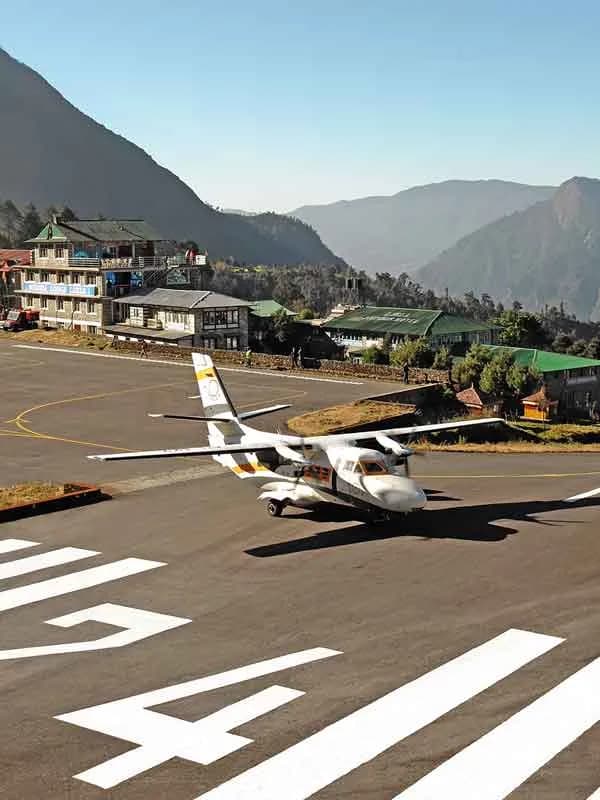
- Airport Congestion: Tribhuvan International Airport handles international arrivals, domestic traffic, and mountain flights on a single runway. As seen daily on social media and news headlines, air traffic holds can delay direct Lukla flights for hours on the tarmac, even when Lukla weather is perfectly clear.
- Why Ramechhap Still Has the Upper Hand: Because Manthali Airport deals only with Lukla flights, small twin-otter aircraft can run rapid back-and-forth shuttle flights the moment a clear weather window opens.
Helicopter Upgrades, Seasonal Rules & Pricing Realities
For travelers with tight holiday windows who want to bypass highway construction, road delays, and airport traffic jams altogether, private or shared helicopter upgrades are the most reliable option:
- Mandatory Dual-Pilot Seasonal Rule (Monsoon through October 5): Under Civil Aviation Authority of Nepal (CAAN) safety directives, helicopters operating during the monsoon window (stretching until October 5) are strictly required to fly with two pilots. Because the second pilot occupies one of the five available cabin seats, maximum passenger capacity drops from 5 passengers down to 4 passengers per flight.
- Impact on Pricing (USD 500 to 700+ One-Way): Because capacity is reduced during the dual-pilot mandate, shared seat pricing dynamically increases during this window. Standard shared seat rates generally range from USD 500 to USD 700+ per person one-way between Kathmandu and Lukla (or Lukla to Kathmandu), depending on seat availability, total payload weight matching, and dynamic weather windows.
- Bypassing Road Blockages: Helicopters fly directly out of Kathmandu or Bhaktapur heliports, completely skipping the BP Highway drive to Ramechhap.
- Lower Altitude Corridors: Helicopters can safely operate in lower cloud visibility than fixed-wing twin-otters, making them the first aircraft to resume operations when weather clears.
- The Helicopter Fly-Out Finish: Many luxury trekkers choose to walk up to Base Camp for the physical milestone and take a direct helicopter back to Kathmandu, saving 3 to 4 days of grueling downhill walking.
Real Mountain Lessons: Surviving a Lukla Weather Delay
From the trail notes of our team:
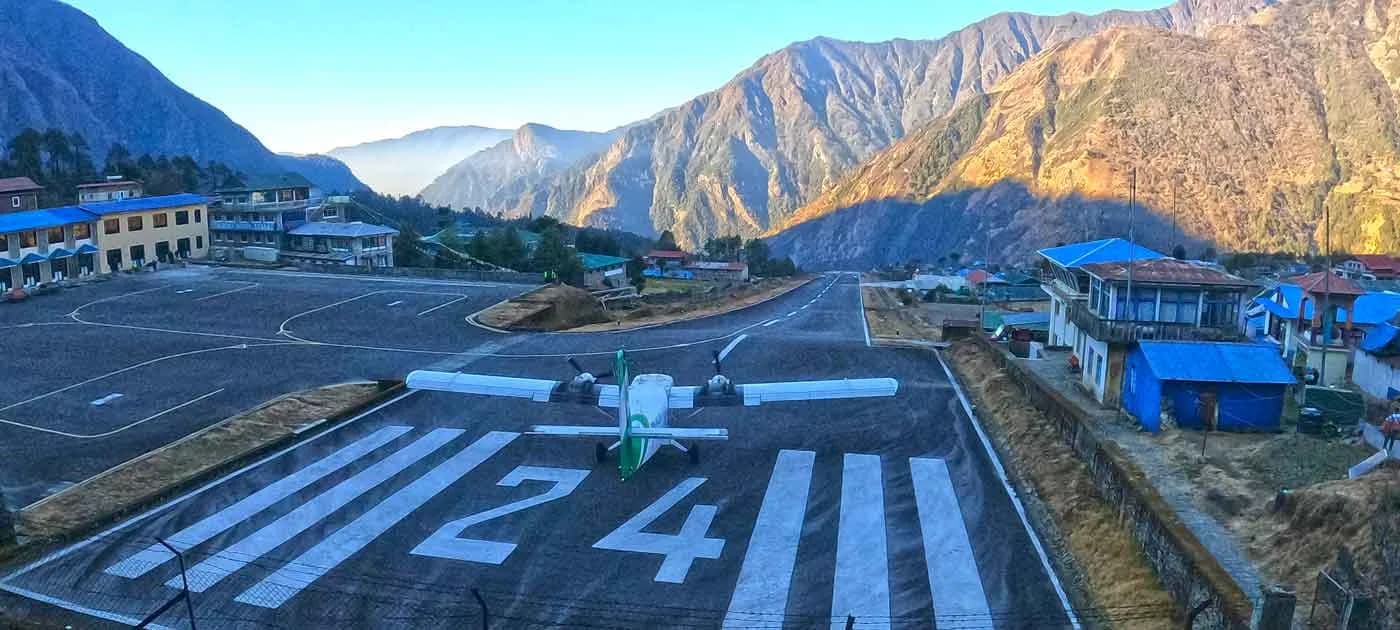
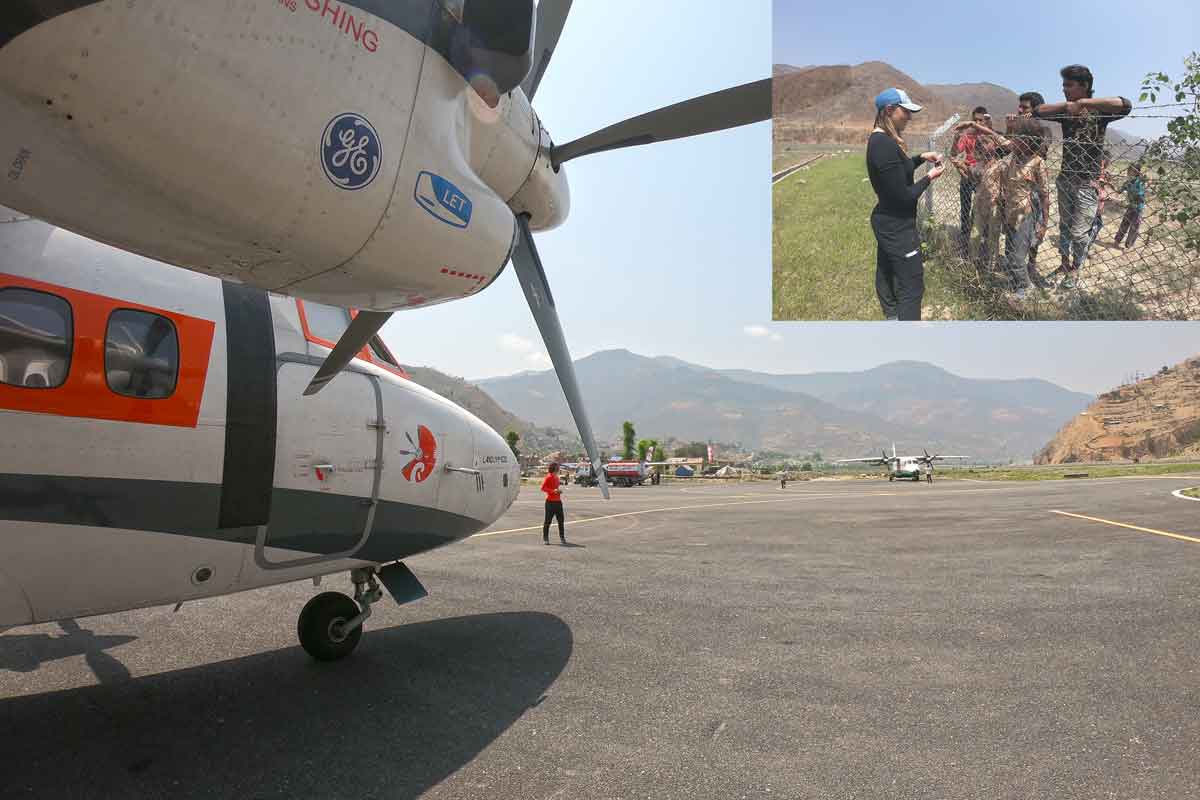
“While returning from an Everest Yoga trek, we were stuck at Lukla airport. On April 20, when we were scheduled to fly back to Kathmandu, thick cloud cover grounded all flights. At that time, infrastructure around the airstrip was sparse, and finding food or warm drinks was a challenge. It became a funny memory when we ended up sharing our own trail snacks and chocolate bars with the stranded pilots and crew members waiting out the weather with us.”
Stories like this highlight why flexibility is everything:
- The Golden Rule — Always Keep 1 to 2 Buffer Days: Never book your international flight home for the exact day after your trek ends. Unpredictable mountain weather and highway repairs make buffer days in Kathmandu an absolute necessity.
- Morning Flight Window: Most stable flying conditions occur between 6:00 AM and 10:00 AM. Local guides monitor live tower updates from Lukla before moving groups to the tarmac.
Plan Your Stress-Free Everest Journey with Rugged Trails Nepal
Don't let highway construction, flight shifts, or air traffic surprises ruin your Himalayan experience. From private overland transfers to comfortable Manthali hotel stays and luxury helicopter upgrades, our local team manages every detail so you can focus on the trail. Contact Our Local Experts Today, design a custom, hassle-free Everest itinerary tailored to your travel schedule.