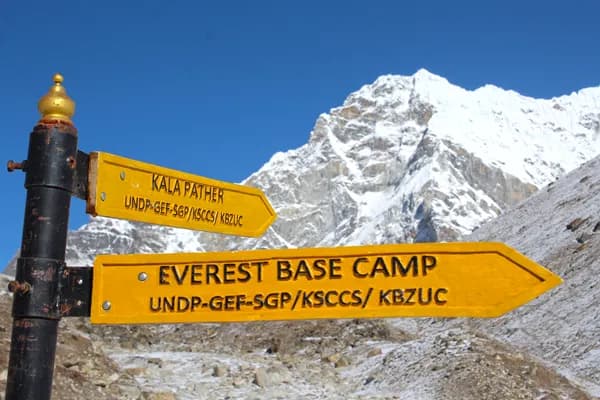
Understanding Everest Base Camp trek durations can be confusing when packages range anywhere from 9 to 16 days. The reality comes down to simple package math: while the 12-day trail footprint is the non-negotiable baseline for safe walking, opting for a Comfort EBC Trek (16 Days) provides the ultimate safety margin. A comfort-style itinerary includes upgraded teahouse stays, relaxed transfers, Kathmandu sightseeing, and crucial weather buffer days. Discover how a comfort-paced journey prevents altitude sickness, why short 9-day foot-treks carry severe risks, and whether a standard or comfort package best fits your travel style.
Everest Base Camp Comfort Trek vs. Standard 10, 12, 14 & 16-Day Itineraries
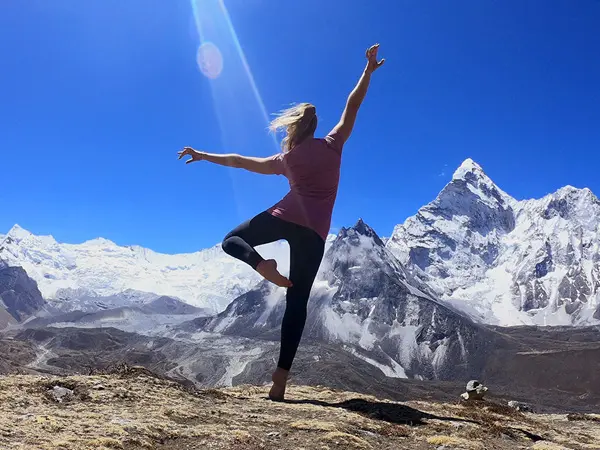
Choosing the right pace is the single most important decision for your Himalayan journey. Whether you choose a standard package, upgrade to our Comfort Everest Base Camp Trek, or balance altitude with wellness on our specialized Everest Base Camp Yoga Trekking adventure, understanding total trip duration and daily elevation gains is vital.
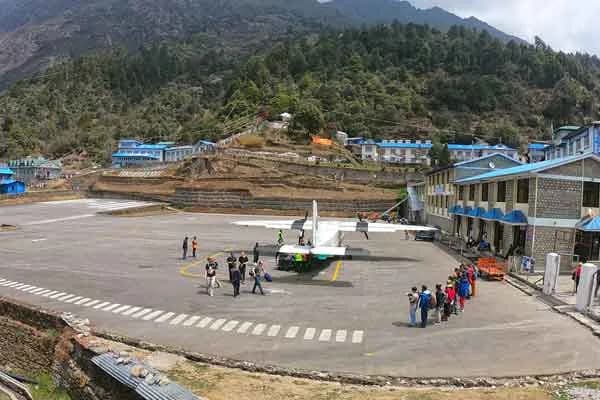
To ensure your flight logistics run smoothly before hitting the trail, read our guide on Lukla Flight Logistics, Manthali Ramechhap, and Helicopter Options. For packing and seasonal context, review our Everest Base Camp Spring vs. Autumn Guide.
Demystifying the Numbers: 12-Day Trail Baseline vs. The Comfort EBC Trek
When searching for Everest Base Camp packages, terms like "Short," "Standard," and "Comfort" often confuse travelers. In reality, the core trail footprint remains constant while comfort, logistics, and rest days scale up:
- The 12-Day Trail Footprint (The Non-Negotiable Standard): This counts only the 12 days spent on the mountain starting and ending at Lukla (or flying via Manthali/Kathmandu on Day 1 and Day 12). It includes 8 ascending days with 2 mandatory acclimatization rest stops in Namche Bazaar (3,440m) and Dingboche (4,410m), followed by 4 descending days back down to Lukla.
- The 14-Day Standard Package: This takes the core 12-day trail footprint and adds 2 Kathmandu hotel days (Day 1: Arrival and Day 14: Final departure). It is the most widely booked standard package, aligning closely with high-altitude medical acclimatization guidelines for reasonably fit trekkers.
- The Comfort EBC Trek (16 Days — Maximum Margin & Upgraded Stays): Built for trekkers who prioritize extra rest, upgraded room amenities (like attached bathrooms where available), and maximum schedule flexibility. The Comfort EBC Trek expands the journey to 16 days, adding dedicated Kathmandu sightseeing, a relaxed afternoon drive to Manthali to avoid 1:00 AM departures, and critical buffer days to protect against Lukla flight delays.
The Danger of Short Foot-Treks (9 to 11 Days) & Athlete Warnings
Budget agencies often market 9, 10, or 11-day "rapid foot-treks" to appeal to travelers on tight timelines. However, cutting days off the walking schedule removes the core elements that make a Comfort EBC Trek so effective:
- Skipping Acclimatization Rest Days: Short foot-treks force trekkers to bypass mandatory rest stops in Namche or Dingboche, pushing past 4,000 meters without giving red blood cells time to adapt. This drastically increases the risk of Acute Mountain Sickness (AMS), HAPE, and emergency medical evacuations.
- The Truth About Athlete Success Stories: While ultra-fit trail runners or experienced high-alpine solo trekkers occasionally publish stories of completing EBC in 9 or 10 days on foot, these exceptions are misleading. These individuals undergo months of extreme cardiovascular conditioning or have proven high-altitude genetic tolerance.
- Fitness Does Not Prevent AMS: Even elite athletes who complete rapid ascents explicitly warn average hikers not to rush. High physical fitness does not make a person immune to altitude sickness; pushing too hard too fast is often what triggers severe symptoms.
Short on Time? The Helicopter Fly-Out Alternative (10 or 11 Days)
If you only have 10 or 11 total days for your Himalayan vacation, you don't have to risk a rushed foot-trek. You can combine a safe ascending pace with a comfort-style finish:
- How the Helicopter Fly-Out Works: You walk up to Base Camp along the full, safe 8-day ascending route—complete with both acclimatization days in Namche Bazaar and Dingboche.
- Skip the 4-Day Downhill Walk: After reaching Gorak Shep, Kala Patthar, and Base Camp, you board a direct helicopter fly-out from Gorak Shep or Pheriche back to Kathmandu.
- The Best of Both Worlds: This saves 3 to 4 days of grueling downhill knee impact while maintaining 100% of physiological safety on the ascent.
Summary Comparison: Standard vs. Comfort EBC Packages
|
EBC Package Type
|
Total Days
|
Trail Footprint
|
Best Suited For
|
|
Comfort EBC Trek
|
16 Days
|
12 Days
|
First-timers, families, older trekkers, maximum weather buffer & comfort
|
|
Standard EBC Package
|
14 Days
|
12 Days (Standard Lodges)
|
Reasonably fit trekkers, standard 2-week vacation windows
|
|
Comfort Heli Fly-Out
|
9–11 Days
|
8 Days Up + Helicopter
|
Short schedules, a safe ascending pace, and a luxury helicopter finish
|
|
Rushed Foot-Trek
|
8-9 Days
|
....
|
Not Recommended: High AMS risk, missing acclimatization rest days
|
Plan Your Everest Journey at the Right Pace
Don't let aggressive marketing rush you through the roof of the world. Experience the Khumbu valley safely with expert local guides, proper acclimatization, upgraded stays, and stress-free logistics.
Explore Our 16-Day Comfort Everest Base Camp Trek or Contact Our Local Team Today to design a custom itinerary tailored to your pace.