The Gateway Still Beats: Reclaiming the Legacy of Jiri Airport and Building the International Footprint Museum
Tucked into the emerald folds of Dolakha District lies a region affectionately known as the "Second Switzerland of Nepal." Here, alpine mist settles over terraced hillsides, the scent of fresh high-altitude yak cheese fills the air, and quiet mountain roads run smoothly throughout the year. At the center of this landscape sits Jiri Airport—a modest STOL airstrip that holds a permanent place in Nepal's aviation and trekking heritage.
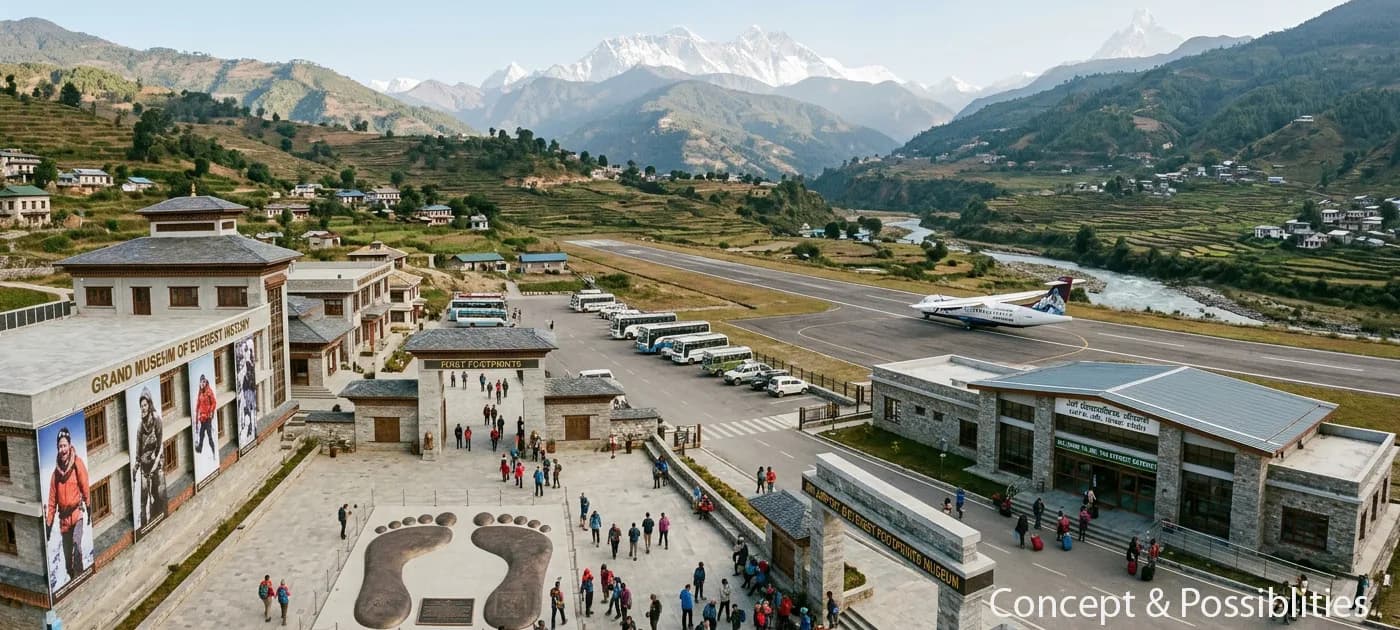
While the runway sits quiet today, Jiri’s story is far from over. By honoring its historical roots and pairing its infrastructure with a visionary International Footprint Museum, Jiri can once again become a global hub for heritage, culture, and mountain tourism.
The Story of Jiri Airport: Built on Alpine Dreams
In the early 1960s, a unique international partnership blossomed between the Swiss government and Nepal. Designed to modernize agriculture, healthcare, and rural infrastructure across Dolakha, this initiative brought lasting developments to the region—including the construction of the Jiri airstrip.
For over two decades, from the mid-1970s through 1990, Jiri Airport served as a vital lifeline. Before major road networks reached the middle hills, this airstrip connected remote communities directly to Kathmandu. It carried government officials, local traders, emergency supplies, and early Himalayan explorers who chose to begin their trek to the Khumbu from the rolling hills of Dolakha.
Jiri Airport Quick Facts:
- Location: Dolakha, Bagmati Province, Nepal
- Active Operational Era: Mid-1970s to 1990
- Primary Historical Role: Alpine transport, trade, and the classic Everest approach
The Cheese Factory Connection
The Swiss legacy in Jiri extended well beyond the runway. Established in the late 1950s, the Jiri Cheese Factory introduced Swiss-style alpine cheese making using local yak and cow milk. The airport played a critical role in supporting this local economy, allowing high-value agricultural products to reach urban markets efficiently and establishing Dolakha as the birthland of Nepali artisan cheese.
Walking in the Footsteps of Giants: The Everest Connection
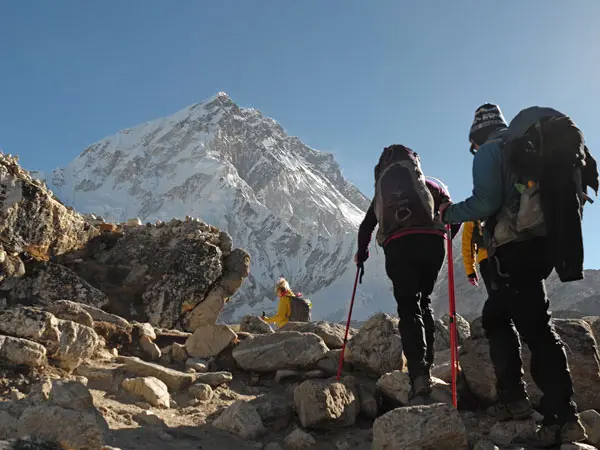
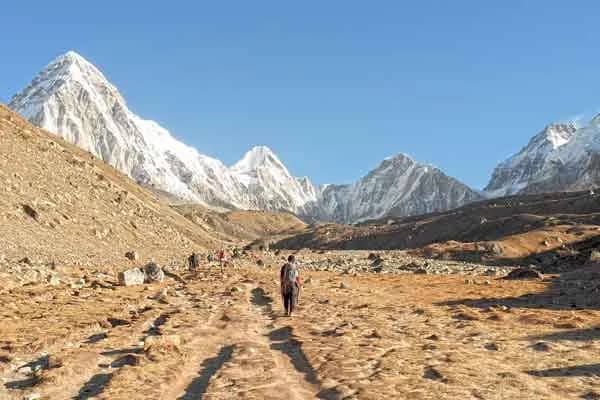
Long before air travel dominated Himalayan trekking, every major expedition to the high peaks passed through the Jiri corridor. The historic overland route saw legendary mountaineers—including Sir Edmund Hillary and Tenzing Norgay Sherpa during their groundbreaking 1953 expedition—traverse these very hills on their journey toward Everest.
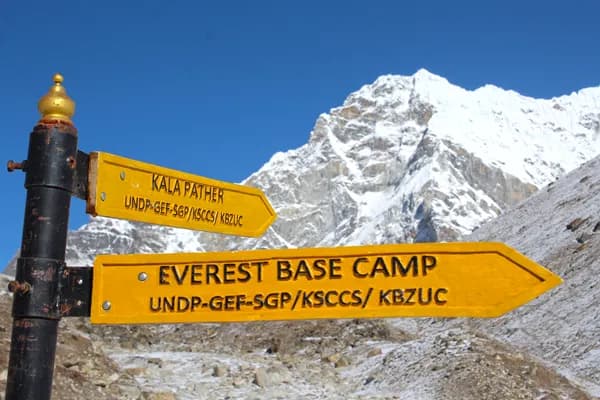
Jiri was the original transition point where expeditions met their local porters, sorted thousands of pounds of gear, and took their first physical steps toward the roof of the world. Walking through Jiri wasn't just a trek; it was a necessary ritual of acclimatization, cultural immersion, and endurance.
The Sanctuary of Footprints
The emotional centerpiece of the museum would be a quiet, circular hall featuring three-dimensional casts of the original boots and bare feet that walked the Jiri corridor. By displaying the footprints of famous summitters alongside the local porters and guides who carried the weight of those early expeditions, the museum pays equal tribute to all who made Himalayan history possible.
Why Reviving Jiri Airport Benefits Nepal’s Tourism Future
Reactivating Jiri Airport alongside a world-class heritage museum offers clear structural advantages for Nepal’s wider aviation and tourism sectors:
- A Reliable Weather Alternative: Unlike high-altitude mountain airstrips prone to sudden weather shutdowns, Jiri offers a stable alpine climate paired with a reliable, disaster-resilient highway connection back to Kathmandu.
- Decongesting Air Corridors: Diverting regional STOL flights or scenic heritage tours to Jiri helps alleviate heavy air traffic at Kathmandu’s international terminal.
- Economic Diversification: Re-establishing flights and opening a landmark museum creates local employment, revitalizes historic homestay trails, and drives investment into Dolakha's agricultural and hospitality sectors.
A Call to Honor Jiri’s Future
As someone who works in the tourism industry and grew up in Charikot watching continuous streams of eager trekkers pass through our town when I was a kid, watching that vibrant legacy fade every single day breaks my heart. Jiri Airport represents far more than asphalt, concrete, and nostalgia—it embodies the enduring, sacred thread that links Nepal’s mid-hills directly to the highest peaks on Earth.
Reviving this historic airstrip alongside a visionary International Footprint Museum is not merely about looking back; it is our most strategic path forward to expand and diversify Nepal's tourism. By honoring the very ground where legendary summitters and local porters took their first physical steps toward Everest, we can transform Jiri into a thriving year-round heritage destination. Re-establishing flight connectivity will bring high-value travelers, revitalize regional homestays, support local artisan cheese and agricultural industries, and offer a safe, weather-resilient alternative gateway to the Himalayas.
By pairing operational renewal with cultural reverence, we can preserve Jiri’s legendary footprint while building a prosperous, sustainable future for generations of Dolakhalis to come.