Spring vs. Autumn at Everest Base Camp: Which Season Should You Choose?
Every trekker planning a journey into the Khumbu region eventually hits a major fork in the road: Should I book my Everest Base Camp trek for Spring or Autumn? Standard guidebooks feed you generic line graphs about monthly temperatures. But if you talk to veteran Sherpa guides and local Himalayan experts, you quickly realize that choosing the right season isn't just about weather charts—it’s about matching your mindset, cold tolerance, holiday window, and what kind of story you want your journey to tell.
Quick Summary: Spring vs. Autumn at a Glance
| Factor |
Spring Season EBC Trek (March – May) |
Autumn Season EBC Trek (September – November) |
| Weather & Visibility |
Clear mornings; light afternoon clouds/haze as temperatures rise. |
Deep, crystal-clear post-monsoon skies with maximum peak visibility. |
| Night Temperatures |
Milder, more comfortable high-altitude nights (-5°C to -10°C / 23°F to 14°F). |
Deeply freezing high-altitude nights (-15°C to -20°C / 5°F to -4°F). |
| Daylight Hours |
Longer days (13–14 hours) allowing a more relaxed daily pace. |
Shorter days (10–11 hours) requiring early 6:00 AM trail starts. |
| EBC Trail Atmosphere |
The bustling Spring Expedition Tent City on the Khumbu Glacier. |
Vibrant post-monsoon clarity and major Nepalese cultural festivals. |
| Primary Audience |
Cold-sensitive trekkers, Asian holiday travelers, and mountaineering fans. |
Western trekkers, photography purists, and weather-stability seekers. |
The Weather & Visibility Face-Off
Autumn: The Purist’s Choice for Mountain Clarity
Ask landscape photographers or high-altitude mountain guides when to go, and most will point directly to October or November.
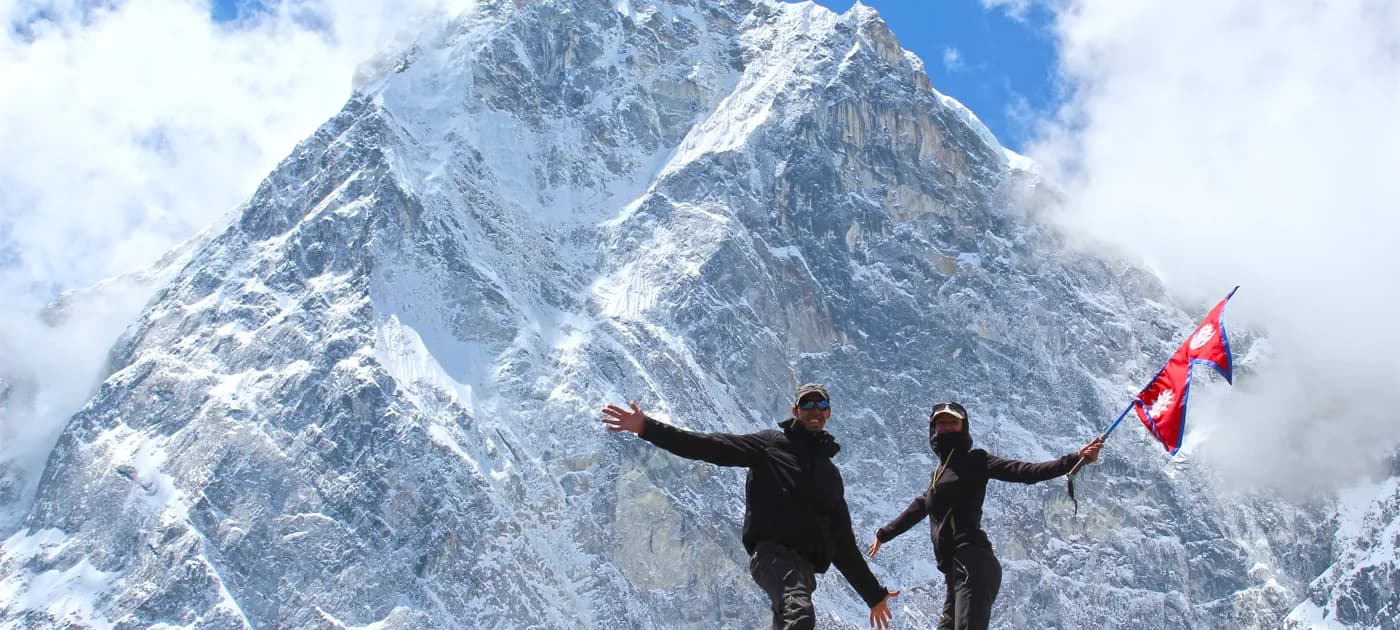
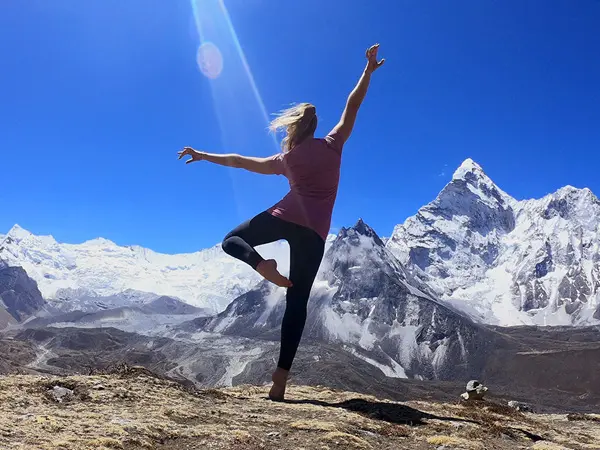
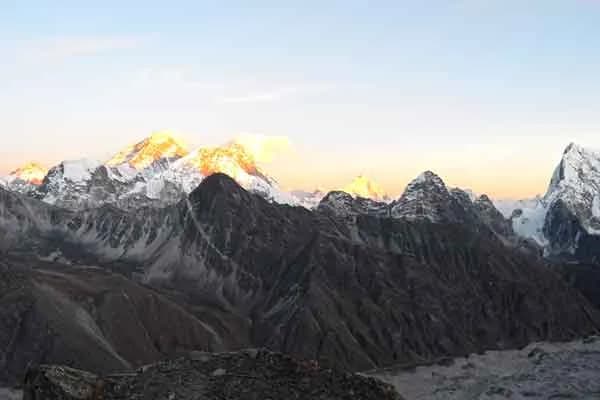
- Post-Monsoon Cleanse: Autumn arrives right after monsoon rains wash dust and haze out of the atmosphere. The air is dry, cold, and stable. When standing on Kala Patthar at sunrise, Mount Everest, Lhotse, and Nuptse cut sharply against a deep blue sky.
- The Trade-Off: Shorter daylight hours force earlier morning starts to beat shadow drops, and high-altitude teahouse bedrooms at Gorak Shep (5,164 m) freeze well below zero.
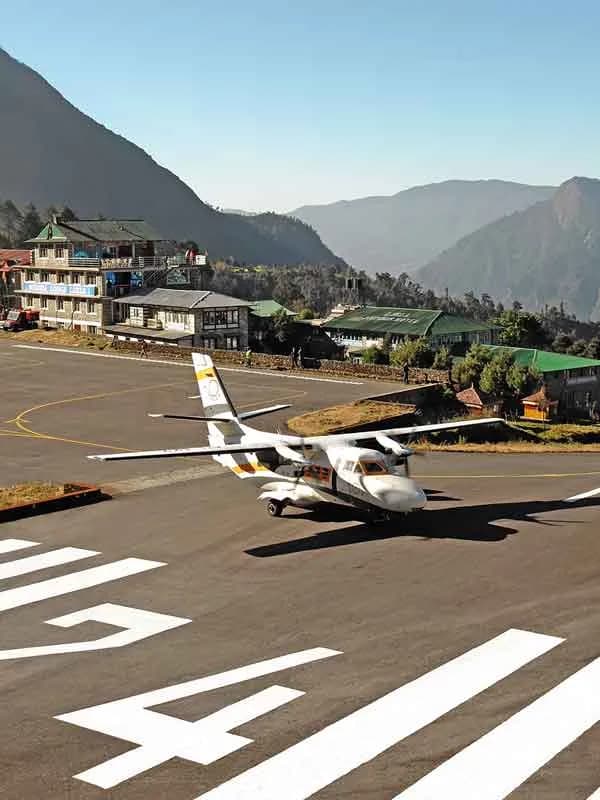
If you are trekking in late Autumn and want to skip the freezing, long knee-jarring descent back to Lukla, opting for an Everest Base Camp trek with helicopter return cuts down trail fatigue while maximizing comfort.
Spring: Blooming Landscapes & Longer Days
Spring brings a different, vibrant atmosphere to the trail.
- Flora & Scenery: Lower elevations between Lukla, Phakding, and Namche Bazaar explode with pink and red rhododendron blooms throughout April.
- Pacing Buffer: With roughly 13 to 14 hours of daylight, you can enjoy a slower daily pace, longer tea breaks, and an extra buffer when scheduling mountain flights in or out of Lukla.
With longer daylight hours in Spring, many trekkers add scenic detours to their itinerary—such as combining the main route with the turquoise lakes of the Gokyo Lake trek or climbing Gokyo Ri for a wilder panoramic view.
The Cultural Element: Festivals & Expedition Rites
A classic Himalayan trek is as much about local culture as it is about high-altitude scenery.
- Autumn’s Festival Powerhouse: Autumn coincides with Dashain and Tihar (Nepal’s largest national celebrations). Kathmandu comes alive with marigold garlands, oil lamps, and traditional music. Higher up the valley at Tengboche Monastery, late-autumn trekkers can experience Mani Rimdu—a sacred 3-day Sherpa Buddhist festival featuring colorful masked ritual dances.
- Spring’s Mountaineering Spirit: Spring brings colorful Holi color celebrations in Kathmandu and traditional Sherpa Puja ceremonies across the Khumbu. Sherpa lamas bless expedition gear, climb teams, and high-altitude equipment before any summit attempt begins.
Because October festivals trigger heavy domestic travel across Nepal, booking your Lukla flight or Manthali airport transfer months in advance is essential to avoid peak-season delays.
The "Expedition Tent City" Factor
For many adventure enthusiasts, choosing Spring comes down to one unique spectacle: seeing Everest Base Camp fully operational.
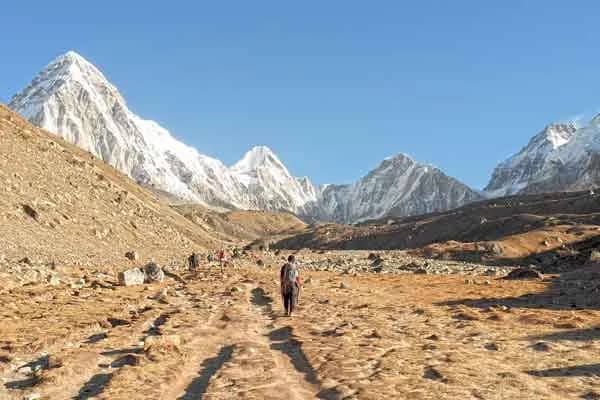
- The Living Glacier: In Autumn, Base Camp is a quiet, barren expanse of rocks and prayer flags. In Spring (April–May), it transforms into a bustling high-altitude mini-city pitched directly on the Khumbu Glacier.
- Climbing Culture: Hundreds of summit climbers, guides, high-altitude doctors, and Sherpa teams set up yellow dome tents, dining hubs, and communications units. Trekkers get a front-row view of active climbing logistics and supply runs passing through the valley.
Trekkers who want to experience the high-altitude climbing atmosphere while enjoying heated lodges and personal oxygen support often choose a luxury Everest Base Camp trek guided by Everest summitters.
Regional Preferences: How Holiday Calendars & Climate Influence Trekkers
Nepal Tourism Board data shows clear regional preferences when splitting the two seasons:
- Western Trekkers (Europe, North America, Australia): Prefer Autumn (65% choice). Operating on tight fixed vacation windows, Western trekkers prioritize dry trails, zero monsoon residue, and minimal flight delays, willingly layering up against colder night temperatures.
- Asian Trekkers (South Asia, East Asia, SEA): Strongly favor spring (50% share). Travelers from warmer regions often prefer Spring’s milder evening temperatures. Spring also aligns directly with regional holiday windows like Songkran, Chinese May Day, and regional school breaks.
"Whether you choose Spring or Autumn, early planning is key to keeping your overall Nepal Everest Base Camp trek cost manageable—especially when budgeting for permits, gear, and high-season lodge rates."
EBC Trekking Seasons Breakdown
| Season |
Months |
Pros |
Cons |
Overall Verdict |
| Autumn (Peak) |
Sept – Nov |
Crystal-clear mountain views, stable weather, and comfortable day temperatures. |
High traffic on trails, crowded teahouses. |
Best Overall (Highest success & visibility rate) |
| Spring (Peak) |
Mar – May |
Blooming rhododendrons, warmer temperatures, and a bustling expedition atmosphere at Base Camp. |
EBC Trail gets dusty; afternoon clouds can obscure high peaks. |
Best for Scenery & Base Camp Activity |
| Winter |
Dec – Feb |
Empty trails, crisp blue skies, lowest prices for accommodation. |
Extreme freezing cold (below -20°C/-4°F at high altitudes) and heavy snow risks. |
For Experienced Cold-Weather Trekkers Only |
| Monsoon |
Jun – Aug |
Lush vegetation, empty trails, vibrant local farming life. |
Heavy rain, leeches, muddy paths, frequent flight cancellations, and clouds hide views. |
Less Recommended |
Frequently Asked Questions (FAQ)
Is Spring or Autumn better for Everest Base Camp?
Autumn (Sept–Nov) is best for crystal-clear mountain views, dry trails, and stable weather. Spring (Mar–May) is best for warmer evening temperatures, blooming rhododendron forests, and seeing the active climbing expedition tent city at Base Camp.
How cold does Everest Base Camp get in autumn vs. spring?
At high elevations like Gorak Shep (5,164 m), autumn night temperatures regularly drop between -15°C and -20°C (5°F to -4°F). Spring night temperatures are milder, generally hovering between -5°C and -10°C (23°F to 14°F).
When can you see tents at Everest Base Camp?
The iconic yellow expedition tent city is only present during the spring climbing season (April to May). In autumn, main summit expeditions are rare, leaving Base Camp quiet and clear of structures.
Final Verdict: Which Season Fits You Best?
- Choose Autumn (October–November) if you want sharp mountain photography, dependable weather, dry trails, and classic crisp alpine air.
- Choose Spring (March – May) if you want milder nighttime temperatures, longer daylight hours for a relaxed pace, blooming trails, and the chance to witness Everest's active expedition culture up close.
Still undecided on your itinerary?
If you are looking to add extra mountain views to your spring or autumn itinerary, check out our in-depth comparison of Gokyo Ri vs Kala Patthar to decide which peak delivers the best summit experience for your trek.